

What Does “Mucus” Mean?
Quick Definition of Mucus
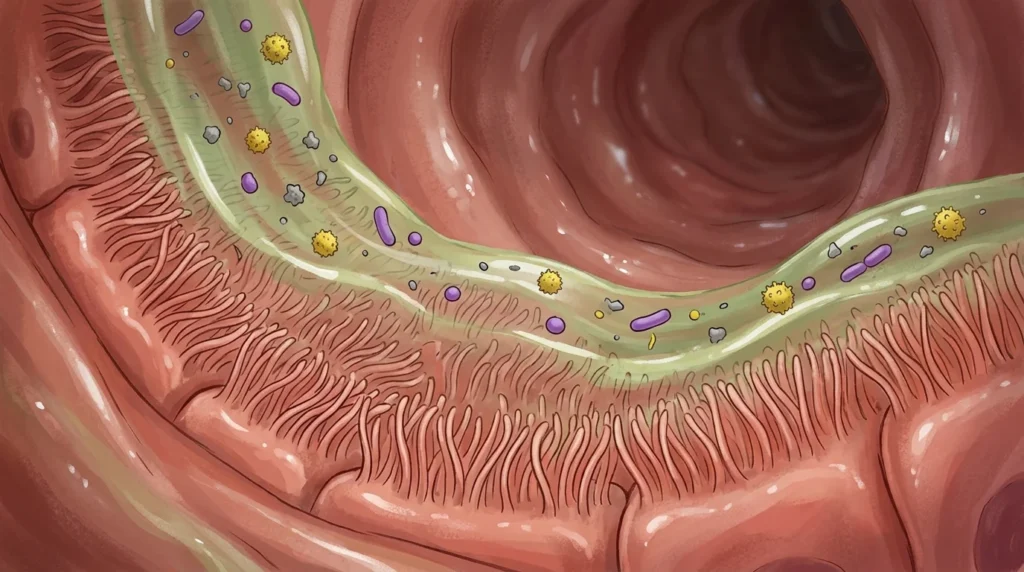
Mucus is a protective, slippery fluid made by special cells in the body. It helps keep tissues moist and protects against harmful particles and microorganisms.
What Is the Literal Meaning of Mucus?
The word mucus refers to a slimy or gel-like substance produced by mucous membranes.
Mucous membranes are found in areas such as:
- Nose
- Throat
- Lungs
- Mouth
- Digestive tract
- Reproductive system
What Does Mucus Usually Mean in Everyday Language?
In everyday conversations, people usually use “mucus” when talking about:
- Runny noses
- Congestion
- Coughing
- Phlegm
- Illness symptoms
Example:
“I have a lot of mucus because of my cold.”
Meaning:
The person is producing extra fluid in their respiratory system.
What Tone Does Mucus Convey?
The word “mucus” is generally:
Medical:
- Used in healthcare discussions
Neutral:
- A normal body substance
Informal:
- Often discussed as “snot” or “phlegm”
Negative (in casual conversation):
- Because people associate it with sickness or discomfort
What Does Mucus Mean in Different Contexts?
Mucus Meaning in the Human Body
In the body, mucus serves several important functions.
It helps:
- Protect tissues from damage
- Keep surfaces moist
- Trap harmful particles
- Support the immune system
- Remove unwanted substances
For example, mucus in the nose catches dust and germs before they enter the lungs.
Mucus Meaning During a Cold
During a cold, the body may produce extra mucus as part of its defense system.
Common changes include:
- More mucus production
- A runny nose
- Thicker mucus
- Congestion
The increase happens because the body is responding to irritation or infection.
Mucus Meaning in Allergies
Allergies can cause increased mucus because the immune system reacts to substances like:
- Pollen
- Dust
- Pet dander
People with allergies may experience:
- Clear mucus
- Sneezing
- Watery eyes
- Nasal congestion
Mucus Meaning in Coughing
When mucus comes from the lungs or airways, people often call it phlegm or sputum.
Coughing helps remove mucus from the respiratory system.
Example:
“The doctor asked about the color of my mucus.”
Meaning:
The doctor wants information about respiratory symptoms.
Mucus Meaning in Text Messages
“Mucus” is not commonly used as internet slang or a texting abbreviation.
When someone uses the word in a message, it usually keeps its normal health-related meaning.
Example:
Person A:
“I have so much mucus today.”
Person B:
“Are you feeling sick?”
Meaning:
The person is talking about a physical symptom.
Origin and History of the Word Mucus
The word mucus comes from Latin, where it referred to a slimy or nasal discharge.
The term has been used in medical language for centuries to describe substances produced by mucous membranes.
Over time, “mucus” became a common scientific and everyday word used to describe protective body secretions.
How People Actually Use Mucus
Most people use the word mucus when discussing health, symptoms, or medical information.
You will often see it in:
- Doctor visits
- Health articles
- Medicine instructions
- Conversations about colds and allergies
When to Use the Word Mucus
Use “mucus” when:
- Talking about a health symptom
- Describing body fluids
- Discussing respiratory conditions
- Explaining medical information
Examples:
- “The cold caused extra mucus.”
- “My mucus changed color.”
- “The doctor checked my mucus.”
When Not to Use Mucus
In casual conversations, people may use simpler words depending on the situation.
Examples:
Instead of:
“I have excessive mucus.”
Someone might casually say:
“I have a lot of congestion.”
Different Types and Colors of Mucus
Clear Mucus
Clear mucus is often considered normal.
It may occur with:
- Healthy mucus production
- Allergies
- Early stages of a cold
White Mucus
White mucus may happen when mucus becomes thicker.
Possible causes include:
- Nasal congestion
- Dehydration
- Respiratory irritation
Yellow Mucus
Yellow mucus can appear when the immune system is responding to an infection or irritation.
Color alone does not always show whether an infection is serious.
Green Mucus
Green mucus may occur when the body is fighting an infection or inflammation.
The color comes from immune system activity.
Brown or Bloody Mucus
Brown or blood-tinged mucus may happen because of:
- Dry air
- Irritation
- Minor bleeding in nasal passages
Persistent or concerning changes should be discussed with a healthcare professional.
Real Examples of Mucus in Conversations
Example 1: Cold Symptoms
Person A:
“Why is my nose running?”
Person B:
“Your body may be producing extra mucus.”
Meaning:
The body is responding to irritation or infection.
Example 2: Doctor Visit
Person A:
“What color is your mucus?”
Person B:
“It has been yellow.”
Meaning:
The doctor is asking about symptoms.
Example 3: Allergy Season
Person A:
“My mucus gets worse every spring.”
Person B:
“It might be related to allergies.”
Meaning:
Seasonal allergies may increase mucus.
Example 4: Cough
Person A:
“I keep coughing up mucus.”
Person B:
“You may want to monitor your symptoms.”
Meaning:
The person is producing respiratory mucus.
Example 5: Health Discussion
Person A:
“Is mucus normal?”
Person B:
“Yes, your body produces it every day.”
Meaning:
Mucus is a normal bodily function.
Example 6: Baby Care
Person A:
“The baby has a stuffy nose.”
Person B:
“Mucus can make breathing harder.”
Meaning:
Nasal mucus may cause congestion.
Example 7: Fitness
Person A:
“Why do I have mucus after exercising outside?”
Person B:
“Cold air or allergies may trigger it.”
Meaning:
Environmental factors can affect mucus production.
Example 8: Medical Research
Person A:
“Scientists study mucus barriers.”
Person B:
“They help understand body protection.”
Meaning:
Mucus plays an important biological role.
Common Mistakes and Misunderstandings About Mucus
Thinking All Mucus Means You Are Sick
Mucus is normal and exists even when someone is healthy.
Confusing Mucus With Phlegm
These words are related but not exactly the same.
Mucus:
A general protective secretion.
Phlegm:
Mucus produced in the lower respiratory system and usually coughed up.
Assuming Mucus Color Always Shows Illness Severity
The color of mucus alone does not always determine how serious a condition is.
Other symptoms matter too.
Thinking the Body Should Have No Mucus
A mucus-free body would not function properly because mucus protects important tissues.
Similar Terms and Related Words
| Term | Meaning | Difference |
|---|---|---|
| Phlegm | Mucus from the lungs or throat | Usually refers to mucus coughed up |
| Snot | Informal word for nasal mucus | Casual term |
| Sputum | Material coughed from the respiratory tract | Medical term |
| Saliva | Fluid produced in the mouth | Not mucus |
| Congestion | Blocked feeling caused by swelling or mucus | A symptom, not the substance |
| Discharge | Fluid released from the body | Broader term |
| Secretions | Substances produced by body cells | Includes mucus |
| Membrane | Tissue that produces mucus | Not the fluid itself |
Is Mucus Positive, Negative, or Neutral?
The word mucus is neutral.
Mucus itself is beneficial because it protects the body.
Positive role:
- Traps germs
- Keeps tissues moist
- Supports immunity
Negative situations:
- Excess mucus during illness
- Congestion
- Discomfort
The meaning depends on the amount and situation.
Should You Use the Word Mucus?
Use “mucus” if:
- Talking about health
- Explaining symptoms
- Communicating with healthcare professionals
- Writing medical information
Avoid using medical terms like “mucus” if a simpler word works better in casual conversation.
For example:
Medical:
“The patient has increased mucus production.”
Casual:
“I have a lot of stuff in my nose.”
Related posts:
 Best Harakiri Meaning Definition, History, Cultural Significance & Modern Usage (2026)
 Apocryphal Meaning: Definition, Origin, Examples & How to Use It (2026)
 Best Variable Meaning in Math: Definition, Types, Examples & How They Work (2026)
 Best Nine Line Meaning: Definition, Origin, Uses, Examples & What It Represents (2026)