
What Does “House Poor” Mean?
Quick Definition of House Poor
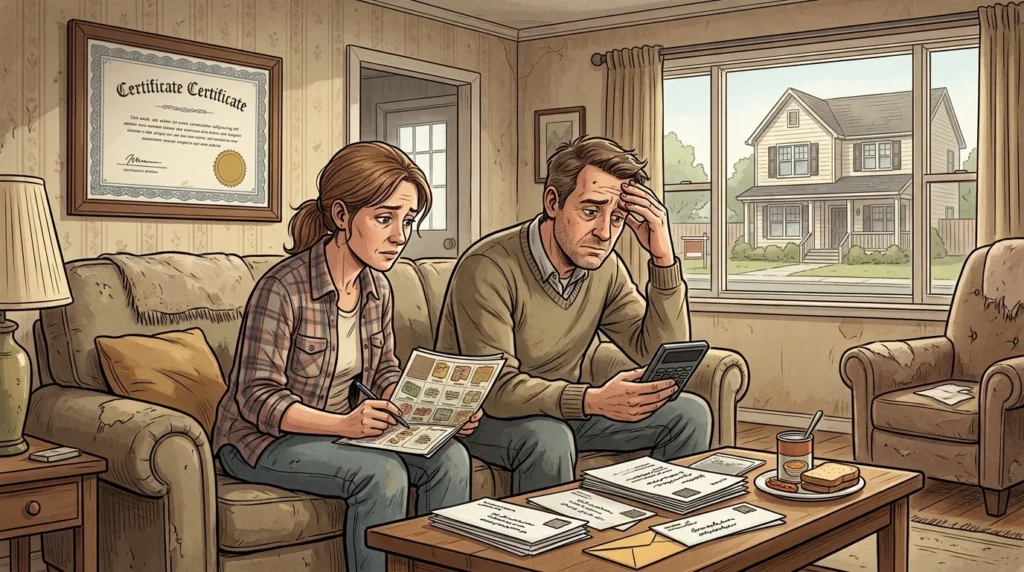
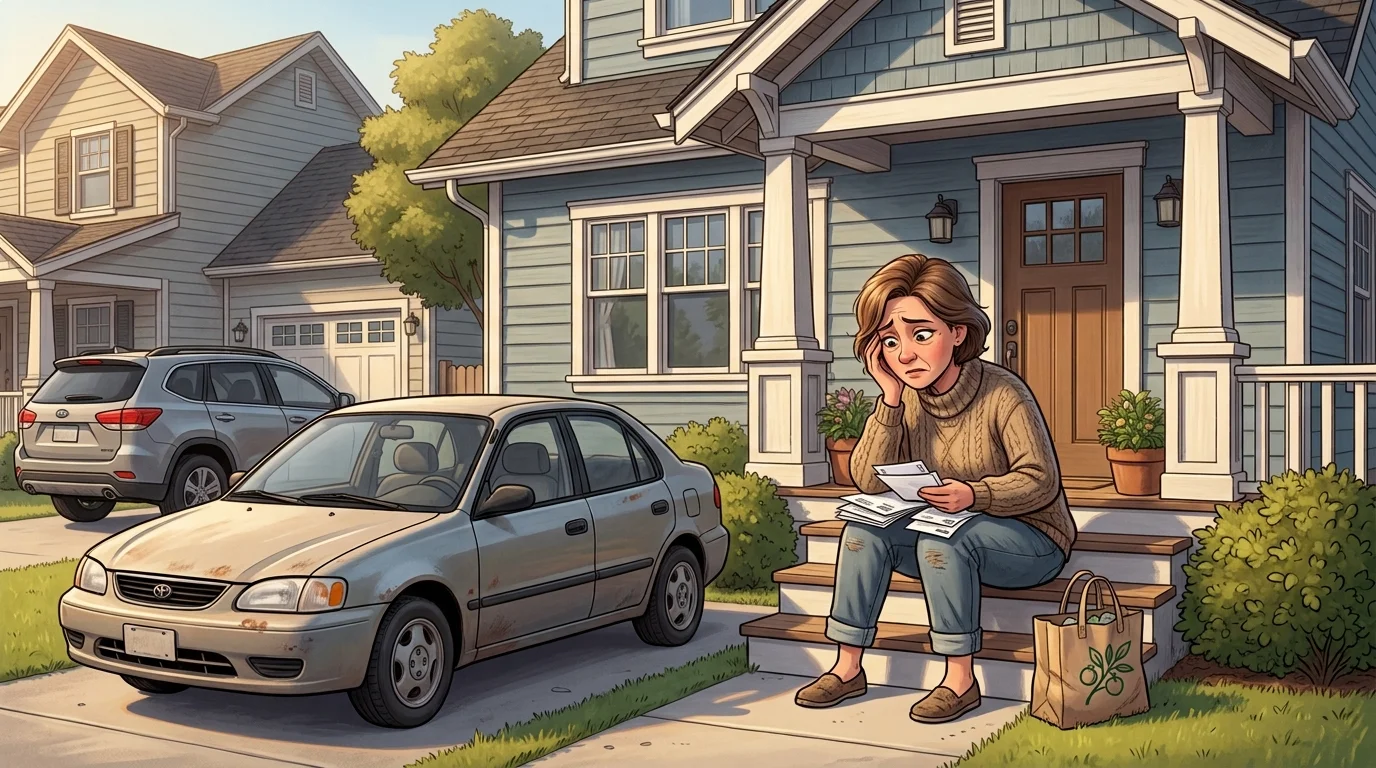
House poor describes a situation where a person spends too much of their income on owning or maintaining a home, leaving little money available for other financial needs.
A house-poor person may have:
- A high mortgage payment
- Expensive property taxes
- Large maintenance costs
- Limited savings
- Little money for entertainment or emergencies
What Does House Poor Mean in Real Estate?
In real estate, being house poor means a homeowner has purchased a property that is financially difficult to maintain.
The home itself may be valuable, but the ongoing costs create financial pressure.
Common housing expenses include:
- Mortgage payments
- Homeowners insurance
- Property taxes
- Repairs
- Utilities
- HOA fees
- Maintenance costs
What Does House Poor Mean in Everyday Conversations?
In normal conversations, someone who is house poor usually means:
“I own a home, but most of my money goes toward paying for it.”
Example:
“We love our new house, but we’re a little house poor right now.”
Meaning:
The home is affordable on paper but leaves little extra money each month.
What Tone Does House Poor Convey?
The phrase usually has a negative or cautionary tone because it describes financial pressure.
It can also be:
Neutral:
- Explaining someone’s financial situation
Concerned:
- Warning against overspending
Humorous:
- Used casually by homeowners who spend too much on their house
What Does House Poor Mean in Different Contexts?
House Poor Meaning in Personal Finance
In personal finance, house poor means housing costs consume too much of someone’s income.
Financial experts often recommend keeping housing expenses at a manageable percentage of income, although the ideal amount depends on individual circumstances.
Someone may become house poor when they:
- Buy the maximum home they qualify for
- Ignore future expenses
- Have unstable income
- Underestimate maintenance costs
House Poor Meaning for First-Time Homebuyers
First-time buyers are especially vulnerable to becoming house poor.
Many new homeowners focus only on the mortgage payment and forget about additional costs.
They may not plan for:
- Repairs
- Furniture
- Appliances
- Insurance increases
- Property taxes
A home that looks affordable at first can become stressful over time.
House Poor Meaning in Relationships
The phrase can also appear in discussions between couples or families.
Example:
“We’re house poor after buying our dream home.”
Meaning:
The household has limited extra money because so much income goes toward the home.
Financial pressure from housing costs can affect:
- Spending habits
- Travel plans
- Savings goals
- Family decisions
House Poor Meaning on Social Media
On platforms like TikTok, Instagram, Reddit, and financial forums, people often use “house poor” when discussing:
- Home-buying mistakes
- Mortgage advice
- Real estate trends
- Lifestyle choices
Example:
“Don’t buy a house just to look successful. You might end up house poor.”
Meaning:
A person is warning others about overspending on a home.
Origin and History of House Poor
The phrase “house poor” developed from the broader idea of being financially limited because of a major expense.
The term became more common as homeownership, mortgages, and housing affordability discussions grew.
The phrase combines:
- House: The property creating the expense
- Poor: Having little money available after paying costs
Unlike being truly poor, someone who is house poor may have a good income and own a valuable property but still lack financial freedom because too much money is tied up in housing.
How People Actually Use House Poor
People usually use the phrase when discussing money decisions, especially buying a home.
You will often see it in:
- Mortgage discussions
- Real estate advice
- Financial blogs
- Home-buying conversations
- Social media discussions
When to Use House Poor
Use the phrase when talking about:
- High housing costs
- Financial stress caused by a home
- Limited spending money after buying property
Examples:
- “They became house poor after buying a luxury home.”
- “I don’t want to be house poor, so I’m buying a smaller house.”
- “Many new homeowners underestimate costs and become house poor.”
When Not to Use House Poor
Avoid using the phrase when:
- Someone is experiencing serious financial hardship unrelated to housing
- You are making assumptions about someone’s finances
- The situation requires more sensitive language
Real Examples of House Poor in Conversations
Example 1: Buying a Dream Home
Person A:
“They bought a huge house last year.”
Person B:
“I heard they’re house poor now.”
Meaning:
Their home costs consume most of their income.
Example 2: First-Time Buyer
Person A:
“My mortgage is much higher than my rent was.”
Person B:
“Be careful not to become house poor.”
Meaning:
The person is warning about spending too much on housing.
Example 3: Lifestyle Changes
Person A:
“Why don’t they travel anymore?”
Person B:
“They’re house poor after the renovation.”
Meaning:
Their home expenses limit their extra spending.
Example 4: Financial Planning
Person A:
“How much house should I buy?”
Person B:
“Buy what you can afford without becoming house poor.”
Meaning:
Choose a home that leaves room for other expenses.
Example 5: Social Media Advice
Person A:
“I want the biggest house possible.”
Person B:
“Don’t become house poor just to impress people.”
Meaning:
Avoid buying a home beyond your comfortable budget.
Example 6: Family Budget
Person A:
“Our income is good, but money feels tight.”
Person B:
“Are you house poor?”
Meaning:
Too much money may be going toward housing.
Example 7: Home Repairs
Person A:
“We can barely afford repairs.”
Person B:
“The house may have made you house poor.”
Meaning:
The property costs too much to maintain.
Example 8: Mortgage Discussion
Person A:
“The bank approved us for a bigger loan.”
Person B:
“That doesn’t mean you should take it. You could become house poor.”
Meaning:
Approval does not always equal affordability.
Example 9: Couple Planning
Person A:
“Should we buy the expensive house?”
Person B:
“Only if we can avoid becoming house poor.”
Meaning:
Consider long-term affordability.
Example 10: Real Estate Advice
Person A:
“The neighborhood is amazing.”
Person B:
“True, but the payment could leave you house poor.”
Meaning:
A desirable home may still create financial stress.
Common Mistakes and Misunderstandings About House Poor
Thinking House Poor Means You Are Homeless
This is incorrect.
A house-poor person usually owns or rents a home but has limited money because of housing expenses.
Thinking Only Low-Income People Become House Poor
Anyone can become house poor, including people with high salaries.
The issue is not only income — it is the relationship between income and expenses.
Confusing House Poor With Being Broke
Someone can have savings, investments, or a valuable home and still be house poor because their monthly cash flow is limited.
Assuming a Bigger House Is Always Better
A larger home often comes with higher:
- Taxes
- Repairs
- Insurance
- Utility costs
More space does not always mean better financial health.
Similar Terms and Related Words
| Term | Meaning | Difference |
|---|---|---|
| Overleveraged | Having too much debt compared to income | Broader financial issue |
| Cost-burdened | Spending a large share of income on housing | Often used in housing research |
| Mortgage stress | Difficulty managing mortgage payments | Focuses specifically on loans |
| Living paycheck to paycheck | Spending most income before the next paycheck | Not limited to housing |
| Financial strain | General money pressure | Broader than housing |
| Debt burden | Having excessive debt obligations | Includes all debts |
| Lifestyle inflation | Increasing spending as income rises | Not only about homes |
| Cash poor | Having limited available money | Can happen despite owning assets |
Is House Poor Positive, Negative, or Neutral?
The phrase house poor is usually negative because it suggests financial difficulty.
Negative example:
“They became house poor after buying an expensive home.”
Neutral example:
“Many homeowners experience being house poor in the first few years.”
It can also be used humorously:
“My new kitchen renovation made me temporarily house poor.”
Should You Use House Poor?
Use the phrase if:
- Discussing home affordability
- Explaining financial trade-offs
- Talking about mortgage decisions
- Giving real estate advice
Avoid it if:
- Discussing someone’s finances without knowing their situation
- Using it as a criticism
- Making assumptions about someone’s lifestyle
Related posts:
 Best Harakiri Meaning Definition, History, Cultural Significance & Modern Usage (2026)
 Apocryphal Meaning: Definition, Origin, Examples & How to Use It (2026)
 Best Variable Meaning in Math: Definition, Types, Examples & How They Work (2026)
 Best Nine Line Meaning: Definition, Origin, Uses, Examples & What It Represents (2026)