
What Does “Optometrist” Mean?
Quick Definition
An optometrist is a licensed healthcare professional who specializes in examining eyes, testing vision, diagnosing common eye conditions, and prescribing corrective lenses such as glasses and contact lenses.
What It Usually Means
In everyday language, an optometrist is often called an eye doctor, although they are different from medical doctors who specialize in eye surgery.
An optometrist can:
- Perform comprehensive eye exams.
- Test your vision.
- Prescribe eyeglasses.
- Fit contact lenses.
- Diagnose common eye diseases.
- Monitor eye health.
- Refer patients to specialists when necessary.
What Role Does an Optometrist Play?
Optometrists help people:
- Improve vision.
- Detect eye problems early.
- Protect long-term eye health.
- Manage certain chronic eye conditions.
What Does an Optometrist Do?
Eye Examinations
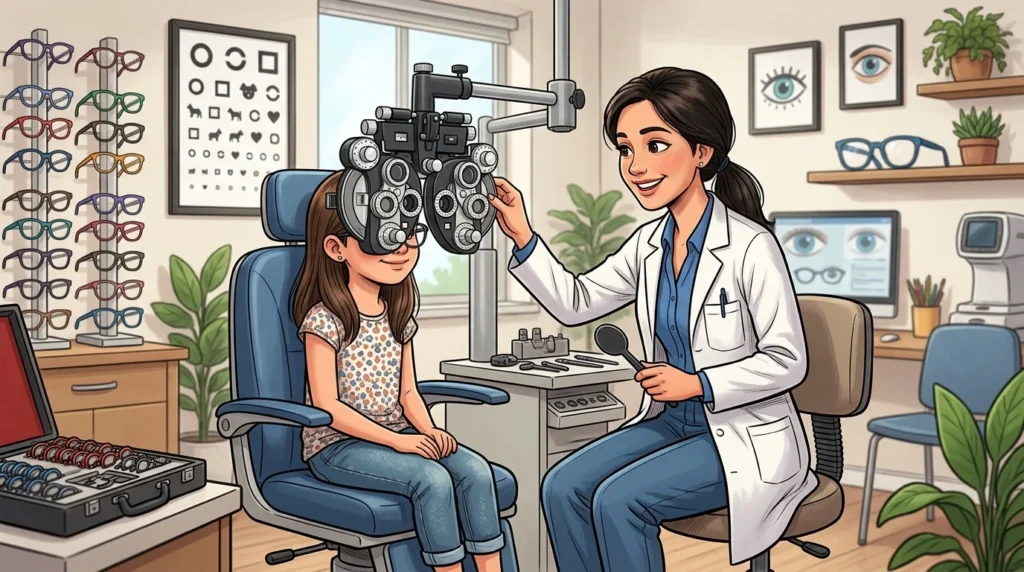
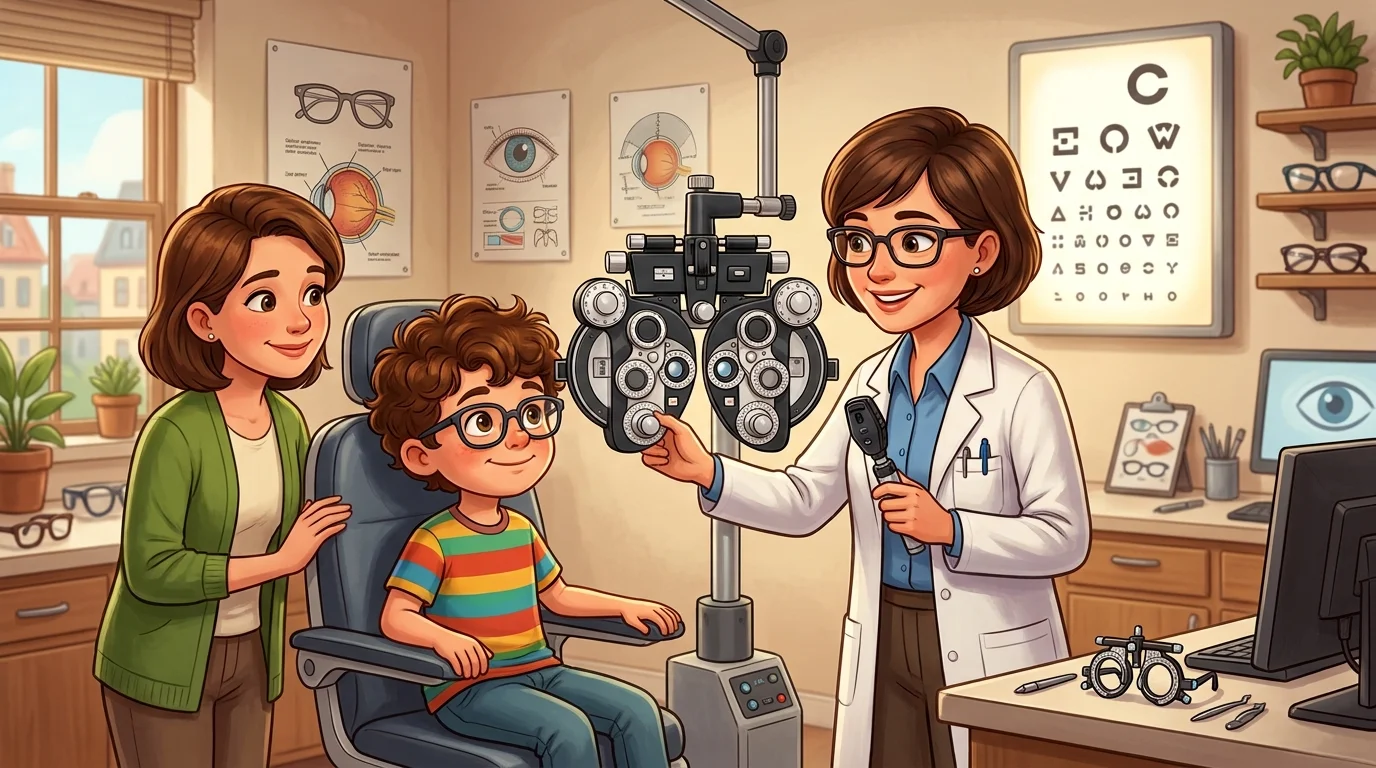
One of an optometrist’s primary responsibilities is performing routine eye exams to assess vision and overall eye health.
Vision Correction
Optometrists prescribe:
- Eyeglasses
- Contact lenses
- Specialty lenses
Detecting Eye Diseases
They can identify conditions such as:
- Glaucoma
- Cataracts
- Dry eye syndrome
- Diabetic eye disease
- Macular degeneration (early signs)
Managing Eye Conditions
Many optometrists provide treatment for:
- Eye infections
- Allergies affecting the eyes
- Dry eyes
- Minor eye injuries
Depending on local laws and regulations, the scope of treatment may vary.
Optometrist vs. Ophthalmologist vs. Optician
| Professional | Main Role | Can Perform Surgery? |
|---|---|---|
| Optometrist | Eye exams, vision testing, glasses, contacts, diagnosis of many eye conditions | Usually No |
| Ophthalmologist | Medical doctor specializing in eye diseases and surgery | Yes |
| Optician | Fits and dispenses glasses and contact lenses based on prescriptions | No |
Origin and History of the Word “Optometrist”
The word optometrist comes from two Greek roots:
- Opto-, meaning “vision” or “sight.”
- -metrist, meaning “one who measures.”
Together, optometrist literally means someone who measures vision.
The profession developed in the late 19th and early 20th centuries as scientific methods for testing eyesight became more advanced.
How People Actually Use the Word “Optometrist”
You’ll commonly hear the word in conversations about eye care.
Examples include:
- “I have an appointment with my optometrist tomorrow.”
- “My optometrist prescribed new glasses.”
- “The optometrist recommended contact lenses.”
- “You should see an optometrist if your vision becomes blurry.”
Real Examples of Optometrist in Conversations
Example 1
Person A: My vision has become blurry.
Person B: You should schedule an appointment with an optometrist.
Meaning: Visit an eye care professional.
Example 2
Person A: Who prescribed your glasses?
Person B: My optometrist did.
Meaning: The optometrist tested vision.
Example 3
Person A: Do I need contacts?
Person B: Ask your optometrist during your eye exam.
Meaning: Professional advice.
Example 4
Person A: What’s the difference between an optometrist and an ophthalmologist?
Person B: Ophthalmologists perform surgery, while optometrists focus on vision care and many eye conditions.
Meaning: Comparing professions.
Example 5
Person A: My eyes feel dry all the time.
Person B: An optometrist can help diagnose the cause.
Meaning: Eye health consultation.
Example 6
Person A: How often should I get my eyes checked?
Person B: Your optometrist can recommend a schedule based on your age and eye health.
Meaning: Preventive care.
Example 7
Person A: I broke my glasses.
Person B: Visit your optometrist for a new prescription if needed.
Meaning: Vision correction.
Example 8
Person A: Can children visit an optometrist?
Person B: Yes, regular eye exams are important for children too.
Meaning: Pediatric vision care.
Example 9
Person A: My employer offers vision insurance.
Person B: That usually covers visits to an optometrist.
Meaning: Routine eye care.
Example 10
Person A: I have headaches after reading.
Person B: An optometrist can check whether your vision is contributing to the problem.
Meaning: Vision assessment.
Common Mistakes and Misunderstandings
People often misunderstand optometrists by thinking:
- They are the same as ophthalmologists.
- They perform all types of eye surgery.
- They only prescribe glasses.
- Eye exams are only necessary when vision becomes blurry.
In reality, optometrists provide preventive eye care and can detect many eye conditions before symptoms become severe.
Similar Healthcare Terms
| Term | Meaning | Difference |
|---|---|---|
| Ophthalmologist | Medical doctor specializing in eye diseases and surgery | Can perform surgery |
| Optician | Fits glasses and contact lenses | Doesn’t diagnose eye diseases |
| Eye Doctor | General term | May refer to either an optometrist or ophthalmologist |
| Vision Specialist | Eye care professional | Broader term |
| Eye Care Professional | General category | Includes multiple professions |
| Ophthalmic Technician | Assists eye doctors | Support role |
| Refraction | Vision testing process | Procedure, not a profession |
| Contact Lens Specialist | Fits contact lenses | May be an optometrist or other qualified professional |
Is “Optometrist” a Positive, Negative, or Neutral Word?
Optometrist is a neutral professional term. It simply refers to a licensed eye care provider and does not carry any positive or negative emotional meaning.
Should You Visit an Optometrist?
Consider Visiting If You:
- Need a routine eye exam.
- Have blurry vision.
- Need glasses or contact lenses.
- Experience eye strain.
- Have headaches related to vision.
- Notice changes in your eyesight.
Seek Additional Medical Care If:
An optometrist may refer you to an ophthalmologist for conditions requiring specialized medical treatment or surgery, such as retinal disorders or advanced cataracts.
Related posts:
 Best Harakiri Meaning Definition, History, Cultural Significance & Modern Usage (2026)
 Apocryphal Meaning: Definition, Origin, Examples & How to Use It (2026)
 Best Nine Line Meaning: Definition, Origin, Uses, Examples & What It Represents (2026)
 TAM Meaning Explained Complete Guide to Every Popular Definition (2026)