
What Does “FIFO” Mean?
Quick Definition
FIFO (First In, First Out) is a system in which the earliest items received or purchased are the first ones sold, used, or removed.
Literal Meaning
The abbreviation breaks down as:
- First In – The first item received or purchased.
- First Out – The first item sold or used.
What It Usually Means
FIFO is commonly used in:
- Accounting
- Inventory management
- Warehousing
- Retail
- Manufacturing
- Stock investing
- Food storage
What Tone Does It Convey?
FIFO is generally a:
- Neutral
- Technical
- Business
- Financial
term.
FIFO Meaning in Different Contexts
Accounting
In accounting, FIFO assumes that the oldest inventory costs are assigned to the goods sold first.
Example:
A store buys:
- 100 shirts at $20 each.
- Later, 100 shirts at $25 each.
If the store sells 100 shirts using FIFO, the cost of goods sold is based on the $20 shirts because they were purchased first.
Inventory Management
Businesses use FIFO to ensure older inventory leaves storage before newer stock.
Common examples include:
- Grocery stores.
- Pharmacies.
- Restaurants.
- Supermarkets.
Warehousing
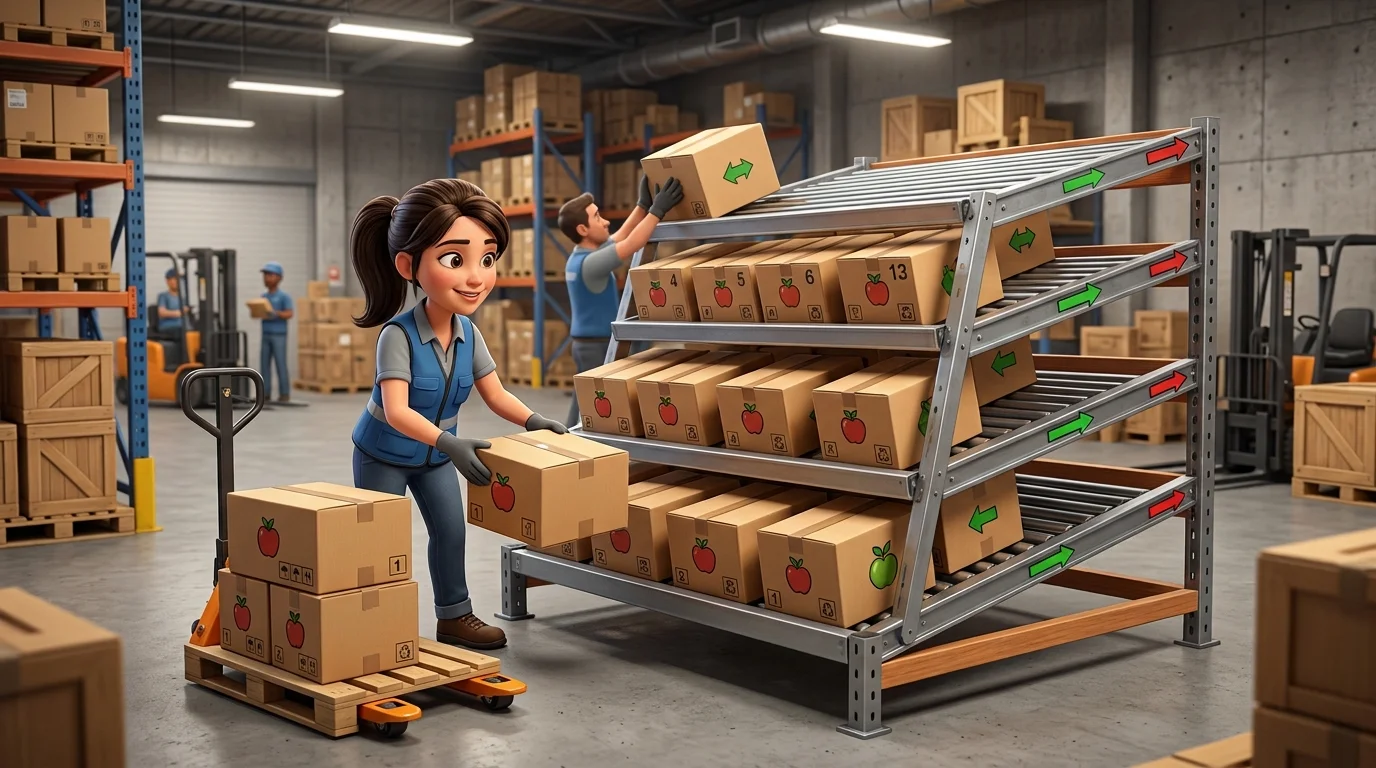
Warehouse workers often arrange products so older inventory is picked first, reducing spoilage and waste.
Investing
Some investment platforms apply FIFO when calculating capital gains. If you sell shares without specifying which ones, the oldest shares you purchased may be treated as the first sold, depending on the platform and applicable tax rules.
Everyday Life
FIFO is useful at home too.
For example:
- Using older milk before buying a new carton.
- Eating older canned food first.
- Rotating pantry items.
Origin and History of FIFO
The FIFO method has been used in accounting and inventory management for many decades. It became a standard business practice because it reflects the natural flow of many products, especially those that can expire or become outdated.
Today, FIFO is recognized worldwide as one of the primary methods for managing inventory and valuing stock.
How People Actually Use FIFO
You’ll often hear FIFO in business settings.
Examples include:
- “We follow FIFO in our warehouse.”
- “Use FIFO when stocking the shelves.”
- “Our accountant values inventory using FIFO.”
- “Rotate the food using the FIFO method.”
Real Examples of FIFO in Conversations
Example 1
Person A: Why did you move the older boxes to the front?
Person B: We follow FIFO.
Meaning: Older inventory is used first.
Example 2
Person A: Why are we selling last month’s products first?
Person B: That’s the FIFO system.
Meaning: First received, first sold.
Example 3
Person A: How do supermarkets reduce expired products?
Person B: They usually use FIFO.
Meaning: Stock rotation.
Example 4
Person A: Which inventory method does your company use?
Person B: FIFO.
Meaning: Accounting method.
Example 5
Person A: Why is the older milk at the front?
Person B: So customers buy it first.
Meaning: FIFO arrangement.
Example 6
Person A: How do restaurants manage ingredients?
Person B: They typically use FIFO to reduce waste.
Meaning: Food safety.
Example 7
Person A: What does FIFO stand for?
Person B: First In, First Out.
Meaning: Definition.
Example 8
Person A: Why did my broker sell my oldest shares?
Person B: Your account may use FIFO by default.
Meaning: Investment accounting.
Example 9
Person A: Is FIFO only for warehouses?
Person B: No, it’s also used in accounting and investing.
Meaning: Multiple applications.
Example 10
Person A: Why is FIFO important?
Person B: It helps manage inventory efficiently and reduce waste.
Meaning: Practical benefit.
Common Mistakes and Misunderstandings
People sometimes think:
- FIFO is only an accounting term.
- FIFO always results in higher profits.
- Every business uses FIFO.
In reality:
- FIFO is also used in logistics, retail, manufacturing, and investing.
- Its financial impact depends on inventory costs and market conditions.
- Some businesses use other methods, such as LIFO (Last In, First Out) or weighted average cost, depending on accounting rules and business needs.
FIFO vs. Other Inventory Methods
| Method | Meaning | Difference |
|---|---|---|
| FIFO | First In, First Out | Oldest inventory is sold first |
| LIFO | Last In, First Out | Newest inventory is sold first |
| Weighted Average Cost | Uses the average cost of inventory | Blends all inventory costs |
| Specific Identification | Tracks each individual item | Used for unique or high-value products |
| FEFO | First Expired, First Out | Prioritizes items with the earliest expiration dates |
Is FIFO Positive, Negative, or Neutral?
FIFO is a neutral business term. It describes an inventory and accounting method rather than expressing an opinion or emotion.
Should You Use FIFO?
Use FIFO If
- You manage inventory with expiration dates.
- You run a warehouse or retail business.
- You work in accounting or finance.
- You want to reduce waste through proper stock rotation.
Keep in Mind
The most suitable inventory method depends on your business operations, financial reporting requirements, and the accounting standards that apply to you.
Related posts:
 Best Harakiri Meaning Definition, History, Cultural Significance & Modern Usage (2026)
 Apocryphal Meaning: Definition, Origin, Examples & How to Use It (2026)
 Best Nine Line Meaning: Definition, Origin, Uses, Examples & What It Represents (2026)
 Optometrist Meaning Explained Complete Guide, Definition & Helpful Examples (2026)