
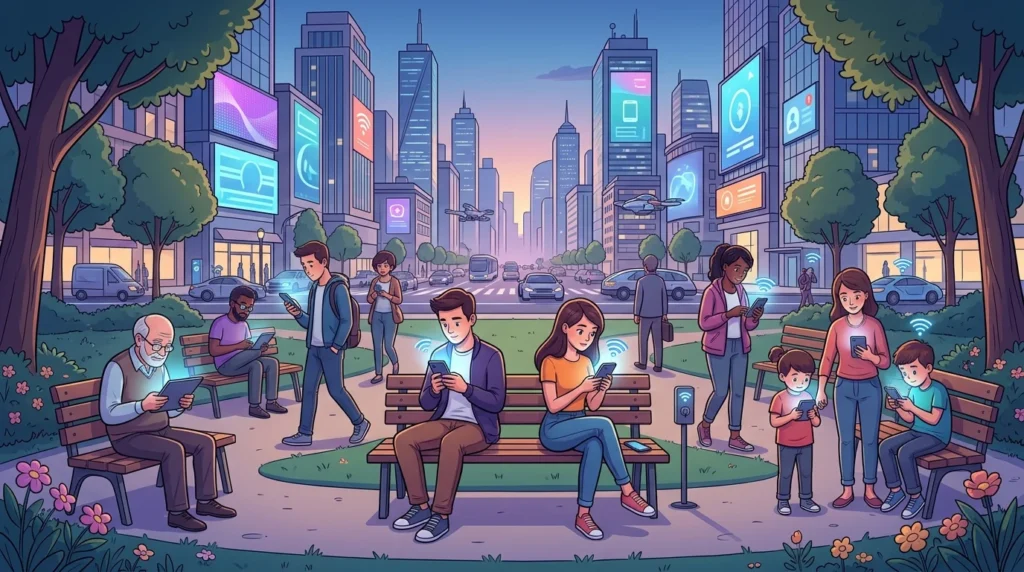
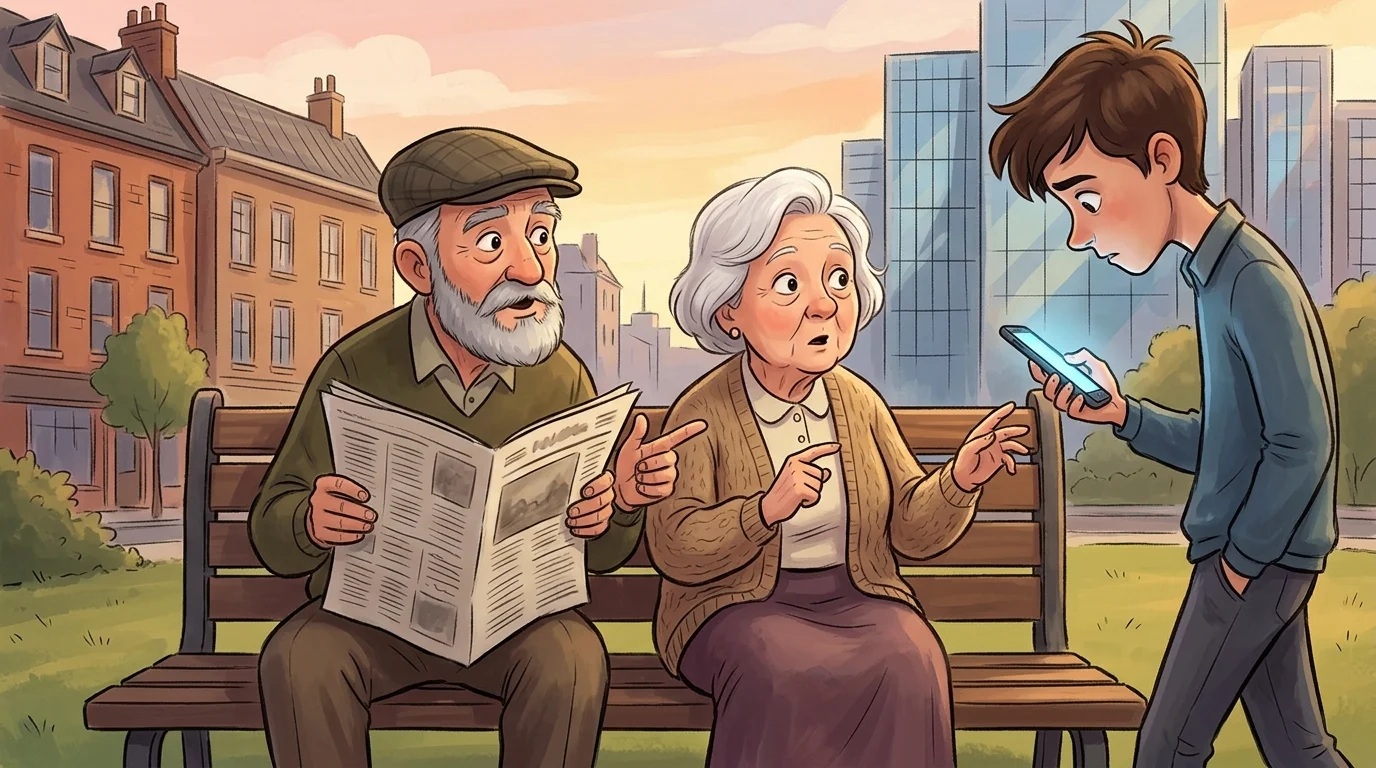
What Does “Sign of the Times” Mean?
Quick Definition
Sign of the times means something that shows or represents the characteristics, changes, or trends of a particular period.
Literal Meaning
The phrase combines two ideas:
- Sign: An indication, clue, or symbol
- Times: A specific era, generation, or period
Together, sign of the times means a clue that reveals what a certain time period is like.
What It Usually Means in Conversations
People often use this phrase when they notice:
- New social behaviors
- Technology changes
- Cultural trends
- Economic changes
- Generational differences
What Tone Does It Convey?
The phrase can have different tones depending on context:
Neutral:
- “Online shopping becoming normal is a sign of the times.”
Positive:
- “Remote work becoming common is a sign of the times.”
Negative:
- “People avoiding face-to-face conversations is a sad sign of the times.”
Sarcastic:
- “You need an app to order a simple coffee now? Sign of the times.”
Sign of the Times Meaning in Different Contexts
In Everyday Conversations
People use the phrase to comment on noticeable changes in daily life.
Example:
“Everyone pays with their phone now. It’s a sign of the times.”
Meaning: Technology has changed how people make purchases.
In Social Media
On platforms like Instagram, TikTok, and Reddit, people often use sign of the times when discussing viral trends, internet culture, or generational changes.
Examples:
- AI tools becoming common
- Influencers shaping trends
- Digital communication replacing older habits
In News and Media
Journalists often use the phrase to describe major cultural or social developments.
Example:
“The rise of electric cars is a sign of the times.”
Meaning: Society is moving toward new transportation trends.
Origin and History of Sign of the Times
The phrase sign of the times comes from the Bible, specifically a passage in the New Testament where the phrase refers to recognizing signs that indicate important events or changes.
Over time, the expression developed a broader meaning. Instead of only referring to religious signs, people began using it to describe noticeable characteristics of any historical period.
Today, sign of the times is a common English idiom used to discuss social, cultural, and technological changes.
How People Actually Use Sign of the Times
Most people use sign of the times when they notice something that represents a bigger change.
You’ll often see it used when talking about:
- Technology replacing traditional methods
- Changes in communication
- New cultural habits
- Generational differences
- Economic trends
When to Use It
Use the phrase when:
- Something reflects a wider social change
- A trend represents a specific era
- A situation shows how life has changed
Examples:
- “Cashless payments are a sign of the times.”
- “Working from home is a sign of the times.”
When Not to Use It
Avoid using it for:
- Small personal changes
- Random events with no connection to broader trends
- Situations that are not connected to a specific era
Real Examples of Sign of the Times in Conversations
Example 1
Person A: My little brother learned to use a tablet before he learned to write.
Person B: That’s a sign of the times.
Meaning: Technology has become part of childhood.
Example 2
Person A: My company has no physical office anymore.
Person B: Remote work is definitely a sign of the times.
Meaning: Work culture has changed.
Example 3
Person A: Everyone is using AI assistants now.
Person B: It’s a sign of the times.
Meaning: AI is becoming common in modern life.
Example 4
Person A: Nobody carries cash anymore.
Person B: Digital payments are a sign of the times.
Meaning: Financial habits have changed.
Example 5
Person A: My grandparents can’t believe people date through apps.
Person B: Dating apps are a sign of the times.
Meaning: Relationships are changing with technology.
Example 6
Person A: Stores are closing because everyone shops online.
Person B: That’s a sad sign of the times.
Meaning: Consumer behavior has changed.
Example 7
Person A: Kids today communicate mostly through emojis.
Person B: That’s a sign of the times.
Meaning: Communication styles have evolved.
Example 8
Person A: My car can drive itself in certain situations.
Person B: Technology like that is a sign of the times.
Meaning: Modern innovation is changing life.
Common Mistakes and Misunderstandings
Mistake 1: Thinking It Only Refers to Negative Changes
Many people think sign of the times always means something bad, but it can describe positive or neutral changes too.
Example:
“Renewable energy growth is a sign of the times.”
Mistake 2: Using It for Personal Situations
The phrase usually describes broader changes, not individual experiences.
Incorrect:
“My new haircut is a sign of the times.”
Better:
“The popularity of certain hairstyles is a sign of the times.”
Mistake 3: Confusing It With “A Sign From the Future”
The phrase does not mean a prediction. It describes something happening now that reflects the current era.
Similar Phrases and Related Expressions
| Phrase | Meaning | Difference |
|---|---|---|
| Sign of the times | Represents an era or trend | Focuses on social change |
| Trend | A popular direction or pattern | Usually temporary |
| Cultural shift | A major change in society | More formal |
| Changing times | Acknowledges ongoing change | Broader expression |
| Mark of the era | Something representing a period | Similar meaning |
| New normal | A behavior that becomes accepted | Focuses on adaptation |
| Reflection of society | Shows social values | More analytical |
| Wake-up call | A warning or realization | Usually negative |
Is Sign of the Times Positive, Negative, or Neutral?
The phrase is generally neutral, but its meaning depends on the situation.
It can describe:
Positive changes:
- Medical breakthroughs
- Technology improvements
- Social progress
Negative changes:
- Social problems
- Economic struggles
- Loss of traditions
Neutral changes:
- New trends
- Lifestyle changes
- Generational differences
Should You Use Sign of the Times?
Yes. This phrase is useful when discussing modern changes and cultural trends.
Use It If:
- You want to describe a major trend.
- You are discussing social changes.
- You are comparing past and present lifestyles.
Avoid It If:
- You are talking about a personal event only.
- You need a very specific description.
- The situation has no connection to a larger trend.
Related posts:
 Best Harakiri Meaning Definition, History, Cultural Significance & Modern Usage (2026)
 Apocryphal Meaning: Definition, Origin, Examples & How to Use It (2026)
 Best Variable Meaning in Math: Definition, Types, Examples & How They Work (2026)
 Best Nine Line Meaning: Definition, Origin, Uses, Examples & What It Represents (2026)