
What Does “Heredity” Mean?
Quick Definition
Heredity is the process by which genetic information is passed from parents to their offspring through genes.
Simple definition:
Heredity = The passing of inherited traits from parents to children through genes.
What Does Heredity Mean in Biology?
In biology, heredity refers to the transmission of genetic material from one generation to the next.
Genes carried in DNA contain instructions that influence traits such as:
- Eye color
- Hair color
- Skin tone
- Blood type
- Height potential
- Certain inherited diseases
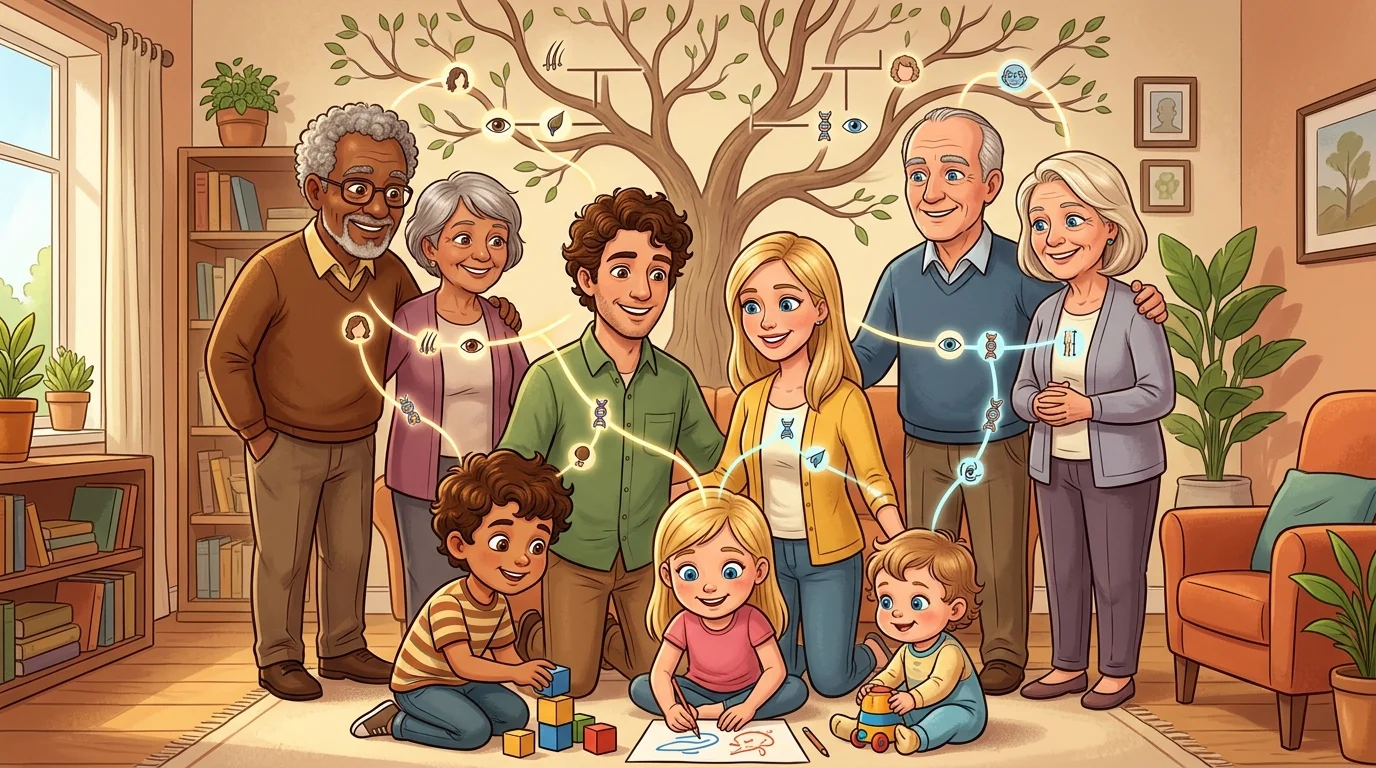
Every person receives genetic material from both biological parents.
What Tone Does Heredity Convey?
The word is neutral and is commonly used in:
- Biology
- Genetics
- Medicine
- Education
- Health research
What Does Heredity Mean in Different Contexts?
Heredity Meaning in Genetics
In genetics, heredity explains how genes are inherited.
Genes are located on chromosomes and contain DNA that carries inherited information.
Each parent contributes approximately half of their genetic material to their child.
Heredity Meaning in Medicine
Doctors study heredity to understand inherited medical conditions.
Examples include:
- Cystic fibrosis
- Sickle cell disease
- Hemophilia
- Huntington’s disease
Some health conditions have a hereditary component, meaning they can run in families.
Heredity Meaning in Everyday Life
People often use heredity when discussing family resemblance.
Examples:
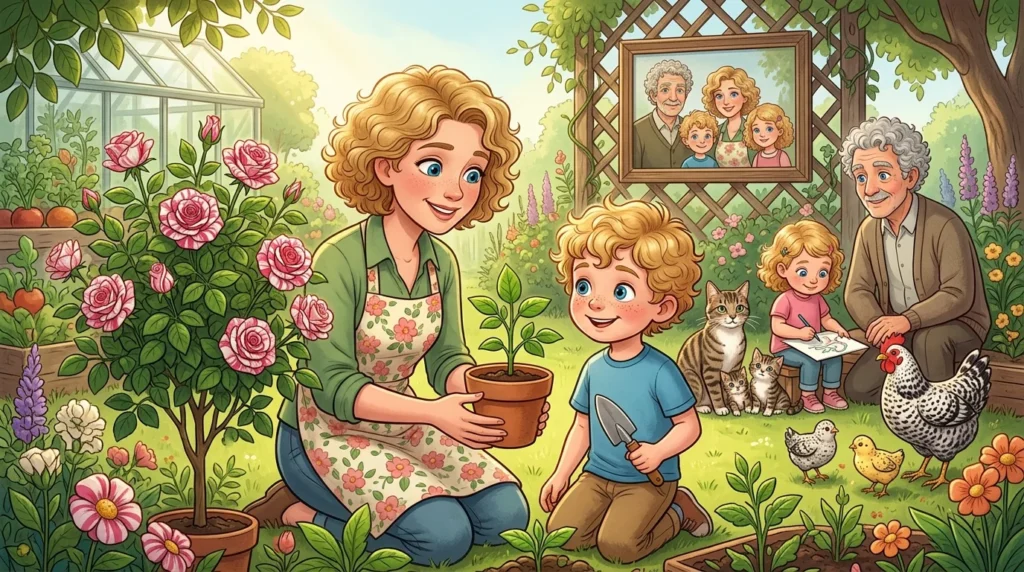
- “She inherited her mother’s curly hair.”
- “His height is due partly to heredity.”
Heredity Meaning in Evolution
Heredity is essential for evolution because inherited traits can be passed to future generations.
Natural selection works by favoring inherited characteristics that improve survival and reproduction.
Origin and History of Heredity
The word heredity comes from the Latin word hereditas, meaning inheritance or heritage.
The scientific understanding of heredity advanced significantly during the 19th century through the work of Gregor Mendel, whose experiments with pea plants laid the foundation for modern genetics.
Today, heredity remains a central concept in biology, medicine, agriculture, and genetic research.
How Heredity Actually Works
Heredity works through genes, which are made of DNA.
The process includes:
- Parents pass genes to their children.
- Genes carry instructions for specific traits.
- Children inherit a unique combination of genes from both parents.
- These genes influence physical characteristics and certain health conditions.
Not every inherited trait is visible. Some affect metabolism, immunity, or disease risk.
Real-Life Examples of Heredity
Example 1: Eye Color
Person A:
“Why do both children have brown eyes?”
Person B:
“They inherited that trait through heredity.”
Meaning:
Their eye color was passed down genetically.
Example 2: Hair Type
Person A:
“Everyone in their family has curly hair.”
Person B:
“That’s a good example of heredity.”
Meaning:
The hair texture is inherited.
Example 3: Height
Person A:
“He’s much taller than average.”
Person B:
“Heredity probably plays a role.”
Meaning:
Genes contribute to height, along with nutrition and health.
Example 4: Blood Type
Person A:
“Can blood type be inherited?”
Person B:
“Yes, blood type is determined by heredity.”
Example 5: Medical Condition
Person A:
“Several relatives have the same disease.”
Person B:
“Doctors may investigate whether heredity is involved.”
Example 6: Family Resemblance
Person A:
“She looks just like her grandmother.”
Person B:
“That’s heredity at work.”
Example 7: Animal Breeding
Person A:
“Why do puppies resemble their parents?”
Person B:
“Because of heredity.”
Example 8: Agriculture
Person A:
“Farmers breed crops with desirable traits.”
Person B:
“They rely on heredity to pass those traits on.”
Common Mistakes and Misunderstandings
Thinking Heredity Determines Everything
Genes are important, but environment also influences health, behavior, and development.
Confusing Heredity With Genetics
They are related but different.
- Heredity: The passing of traits from parents to children.
- Genetics: The scientific study of genes, DNA, and heredity.
Assuming All Diseases Are Hereditary
Many diseases are caused by infections, environmental factors, or lifestyle choices rather than inherited genes.
Believing Inherited Traits Never Change
While genes don’t change easily, environmental factors can influence how certain genes are expressed.
Similar Terms and Related Words
| Term | Meaning | Difference |
|---|---|---|
| Genetics | Study of genes and DNA | Scientific field |
| Inheritance | Passing traits to offspring | Closely related |
| Gene | Unit of heredity | Basic genetic component |
| DNA | Molecule carrying genetic information | Contains genes |
| Chromosome | Structure containing DNA | Holds many genes |
| Trait | Inherited characteristic | Result of heredity |
| Mutation | Change in DNA | Can create new traits |
| Evolution | Change in populations over generations | Depends on heredity |
Is Heredity Positive, Negative, or Neutral?
Heredity is a neutral scientific term.
It can refer to:
Positive examples:
- Healthy inherited traits
- Natural physical characteristics
Negative examples:
- Inherited genetic disorders
- Family history of disease
The word itself carries no emotional meaning.
Should You Use Heredity?
Use heredity when discussing:
- Biology
- Genetics
- Medicine
- Family traits
- Scientific education
Avoid using it when talking about characteristics learned through experience or environment, as those are not inherited genetically.
Related posts:
 Best Harakiri Meaning Definition, History, Cultural Significance & Modern Usage (2026)
 Apocryphal Meaning: Definition, Origin, Examples & How to Use It (2026)
 Best Variable Meaning in Math: Definition, Types, Examples & How They Work (2026)
 Best Nine Line Meaning: Definition, Origin, Uses, Examples & What It Represents (2026)