
What Does Analog Horror Meaning?
Quick Definition
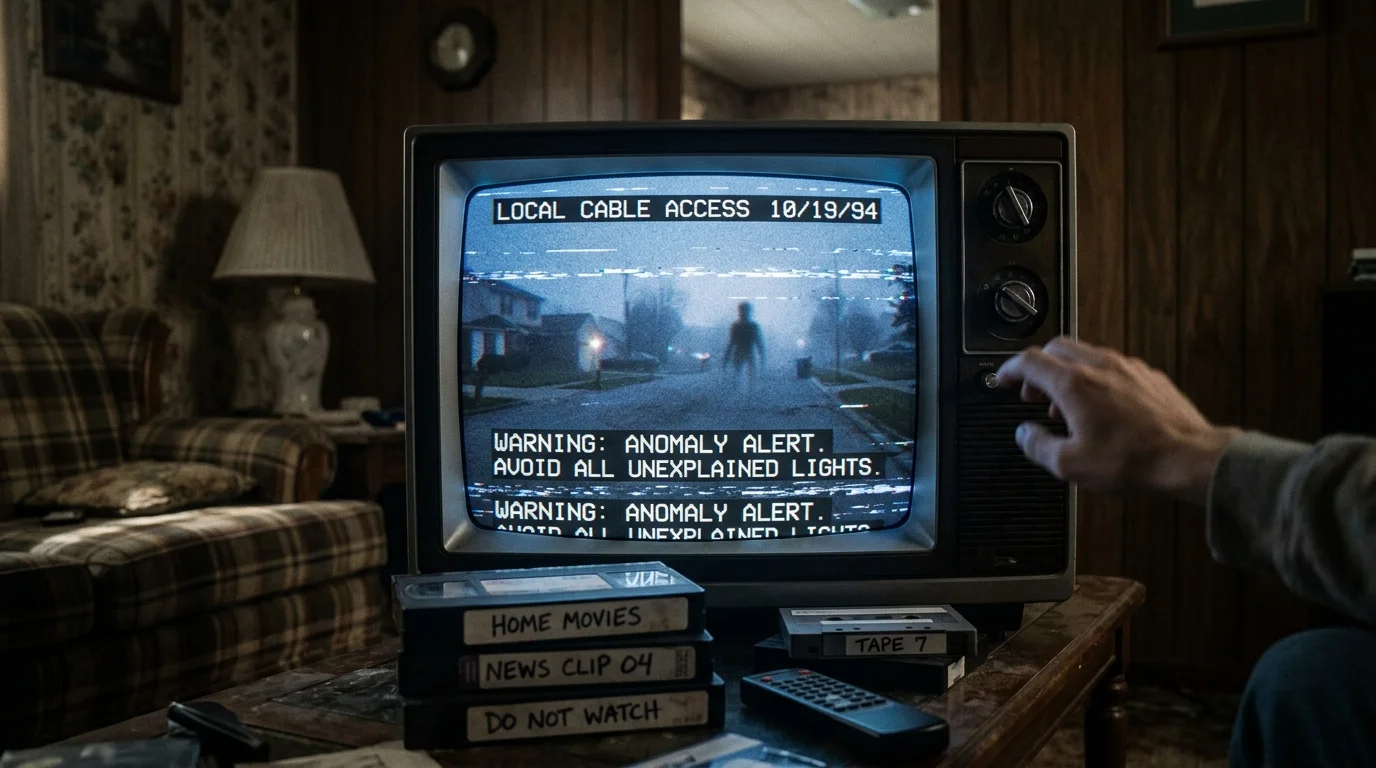
Analog horror is a style of fictional horror that presents its story through old analog media formats, making the events appear like recovered recordings or forgotten broadcasts.
What Does “Analog” Mean?
The word analog refers to older technologies that recorded or transmitted information using continuous signals rather than digital data.
Examples include:
- VHS tapes
- Cassette tapes
- CRT televisions
- Broadcast television
- Film reels
- Security camera recordings
- Educational videos
What Makes It Horror?
Analog horror combines nostalgic media formats with:
- Unsettling imagery
- Distorted audio
- Mysterious events
- Hidden messages
- Fictional conspiracies
- Psychological tension
The result is an immersive experience that feels strangely realistic.
Origin and History of Analog Horror
Although its influences date back decades, analog horror became a recognized internet genre in the late 2010s and early 2020s.
The genre draws inspiration from:
- VHS-era television
- Public service announcements (PSAs)
- Emergency Alert System broadcasts
- Educational films
- Found footage horror
- Internet storytelling
Independent creators on platforms like YouTube helped popularize analog horror through episodic series that gradually revealed larger fictional mysteries.
Key Characteristics of Analog Horror
Most analog horror series include several of these features:
VHS Visual Effects
Videos often imitate:
- Tape glitches
- Static
- Tracking errors
- Grainy footage
- Color distortion
These effects make the recordings appear old and authentic.
Fictional Broadcasts
Stories may be presented as:
- News reports
- Emergency alerts
- Government announcements
- Training videos
- Security recordings
This documentary-style format enhances realism.
Slow-Building Suspense
Instead of relying on sudden scares, analog horror creates tension through:
- Unanswered questions
- Strange events
- Ominous warnings
- Creeping dread
Hidden Details
Many creators include:
- Secret messages
- Visual clues
- Background symbols
- Audio distortions
Fans often analyze episodes frame by frame to uncover hidden lore.
Popular Examples of Analog Horror
Several online series have helped define the genre.
The Mandela Catalogue
A psychological horror series featuring mysterious entities known as “Alternates” that impersonate humans.
Local 58
A fictional television station where ordinary broadcasts gradually become deeply unsettling.
Gemini Home Entertainment
A collection of educational and nature-style videos that slowly reveal a terrifying cosmic threat.
The Walten Files
A horror series inspired by animatronic entertainment that combines mystery, tragedy, and supernatural elements.
Monument Mythos
A surreal alternate-history series that blends horror, science fiction, and conspiracy themes.
Each series uses analog media aesthetics to tell fictional stories in a unique way.
Why Is Analog Horror So Popular?
Nostalgia
Older viewers recognize VHS tapes and CRT televisions, while younger audiences often find them mysterious and eerie.
Psychological Horror
The genre emphasizes atmosphere and imagination rather than graphic violence.
Interactive Storytelling
Many series encourage viewers to:
- Analyze clues
- Develop theories
- Solve mysteries
- Discuss hidden meanings
This creates active fan communities.
Realistic Presentation
Because the videos imitate authentic broadcasts, they often feel more believable than traditional horror films.
Analog Horror vs. Found Footage
| Genre | Description | Main Difference |
|---|---|---|
| Analog Horror | Fiction presented through old media formats | Focuses on analog recordings and broadcasts |
| Found Footage | Story told through “discovered” recordings | Usually follows characters directly |
| Psychological Horror | Explores fear through the mind | Broader genre not tied to media formats |
| Cosmic Horror | Fear of incomprehensible forces | Often overlaps with analog horror |
| ARG (Alternate Reality Game) | Interactive fictional mystery | Encourages audience participation beyond the story |
Common Misunderstandings
Mistake 1: Thinking Analog Horror Is Real
Analog horror is fictional, even though it often imitates authentic recordings.
Mistake 2: Confusing It with Found Footage
While both genres use recorded media, analog horror specifically recreates the appearance of analog-era broadcasts and recordings.
Mistake 3: Assuming It Relies on Jump Scares
Most analog horror focuses on slow-building tension, mystery, and psychological unease instead of frequent jump scares.
Mistake 4: Believing It Requires Old Technology
Modern creators usually produce analog horror digitally, then add visual effects to recreate the appearance of vintage media.
Similar Genres
| Genre | Focus | Difference |
| Analog Horror | VHS-style horror | Uses analog media aesthetics |
| Found Footage | Discovered recordings | Character-centered storytelling |
| Psychological Horror | Mental fear | Broader horror category |
| Cosmic Horror | Unknown cosmic threats | Often inspired by existential fear |
| Internet Horror | Online storytelling | Includes many different formats |
| Creepypasta | Internet horror fiction | Usually text-based or narrated |
| ARG | Interactive mystery | Audience participation extends beyond videos |
| Paranormal Horror | Ghosts and supernatural events | May or may not use analog presentation |
| Mockumentary Horror | Fictional documentaries | Documentary format without analog focus |
| Urban Legend Horror |
Related posts:
 Best Harakiri Meaning Definition, History, Cultural Significance & Modern Usage (2026)
 Apocryphal Meaning: Definition, Origin, Examples & How to Use It (2026)
 Service ESC Meaning: What the Service ESC Warning Means & How to Fix It (2026)
 Best Bifurcated Meaning: Definition, Uses, Examples & Origin (2026)