

What Does “Bootlicker” Mean?
Quick Definition of Bootlicker
Bootlicker means a person who shows excessive respect, obedience, or loyalty toward someone in power, often in a way that seems dishonest or self-serving.
The word usually implies:
- Blind loyalty
- Excessive praise
- Lack of independence
- Trying to gain approval from authority
What Is the Literal Meaning of Bootlicker?
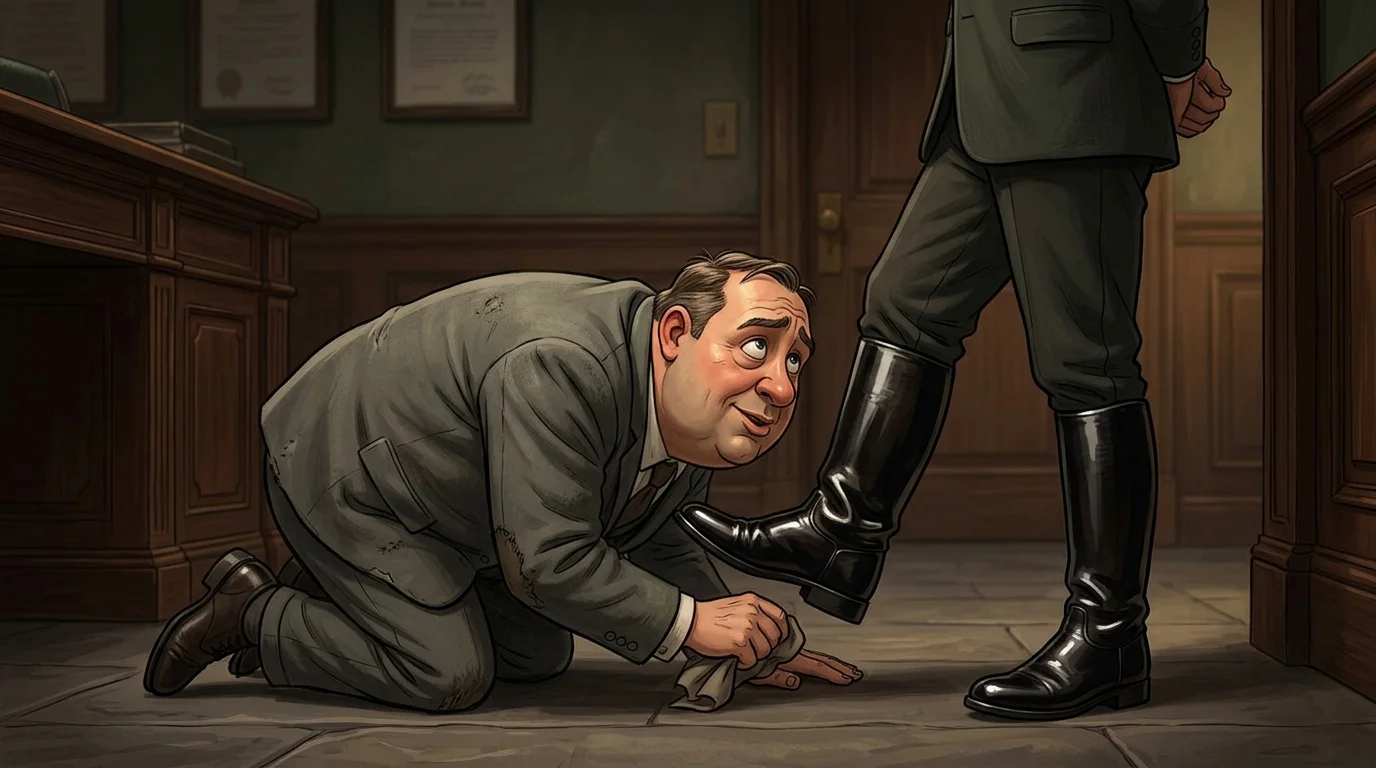
The literal image behind the word is someone who licks another person’s boots, which represents extreme submission and humiliation.
The word is not usually meant literally. It is a metaphor for someone who is seen as lowering themselves to please a powerful person.
What Does Bootlicker Mean in Everyday Language?
In everyday conversations, calling someone a bootlicker means:
“You are supporting someone in power too much and not thinking independently.”
Example:
“He always agrees with the manager, even when the manager is wrong. He’s such a bootlicker.”
Meaning:
The speaker believes the person is overly obedient to authority.
What Tone Does Bootlicker Convey?
The word almost always has a negative tone.
Insulting:
- Used to criticize someone’s behavior
Angry:
- Common during arguments or debates
Political:
- Often used in discussions about government or power
Sarcastic:
- Sometimes used jokingly among friends
What Does Bootlicker Mean in Different Contexts?
Bootlicker Meaning in Politics
In politics, bootlicker is often used to criticize people who strongly defend leaders, governments, or political systems.
Example:
“Anyone who supports that policy is a bootlicker.”
Meaning:
The speaker believes supporters are blindly loyal to those in power.
However, the term can be unfair when used simply against someone who has a different opinion.
Bootlicker Meaning at Work
In workplaces, bootlicker may describe someone who appears overly eager to please managers or executives.
Examples:
- Agreeing with every decision
- Praising a boss constantly
- Reporting coworkers to gain favor
- Avoiding criticism of leadership
Example:
“Everyone knows he’s the boss’s favorite because he’s a bootlicker.”
Meaning:
The speaker believes the person gains advantages through excessive loyalty.
Bootlicker Meaning on Social Media
On platforms like Reddit, TikTok, Instagram, and X, the word is frequently used during arguments about:
- Politics
- Workplace culture
- Social issues
- Wealth and power
Example:
“People called him a bootlicker for defending the company online.”
Meaning:
Others believe he is supporting a powerful organization too much.
Bootlicker Meaning in Gaming Communities
In gaming communities, the term may be used when someone strongly defends:
- Game developers
- Publishers
- Online platforms
- Moderators
Example:
“Stop being a bootlicker and admit the update has problems.”
Meaning:
The speaker thinks someone is defending authority instead of criticizing issues.
Origin and History of the Word Bootlicker
The term bootlicker comes from the literal image of someone licking another person’s boots as a symbol of extreme submission.
The phrase is related to older expressions that compared excessive obedience to humiliating acts of service. Over time, “bootlicker” became a figurative insult used to describe people who appear overly loyal to authority.
The word became especially common in political and social discussions because it represents criticism of blind obedience and unequal power relationships.
Although the exact first use is difficult to identify, the expression has been used for many decades and became more widespread through modern political debates and online culture.
How People Actually Use Bootlicker
People usually use “bootlicker” when criticizing someone’s relationship with power or authority.
You will often see it in:
- Online arguments
- Political discussions
- Workplace conversations
- Social commentary
- Memes
When to Use Bootlicker
Use the term when:
- Discussing excessive obedience
- Describing someone who appears to flatter authority
- Analyzing power relationships
Examples:
- “Critics called him a bootlicker for defending every decision.”
- “The comment section accused him of being a bootlicker.”
- “Some employees avoid speaking up because they don’t want to seem disloyal.”
When Not to Use Bootlicker
Avoid using it when:
- You simply disagree with someone
- You want a respectful discussion
- You do not have evidence of excessive loyalty
Calling someone a bootlicker is often confrontational and can shut down conversation.
Real Examples of Bootlicker in Conversations
Example 1: Workplace
Person A:
“The manager made a mistake.”
Person B:
“No, the manager is always right.”
Person A:
“You’re such a bootlicker.”
Meaning:
Person A believes Person B supports the manager too much.
Example 2: Online Debate
Person A:
“This company can do no wrong.”
Person B:
“People are calling you a bootlicker.”
Meaning:
Others think the person blindly supports the company.
Example 3: Politics
Person A:
“The leader should be criticized sometimes.”
Person B:
“Supporters called him a bootlicker for defending everything.”
Meaning:
The person is accused of excessive loyalty.
Example 4: School Situation
Person A:
“He always agrees with the teacher.”
Person B:
“Everyone jokes that he’s a bootlicker.”
Meaning:
People think he tries too hard to please authority.
Example 5: Gaming Community
Person A:
“The developers made a bad update.”
Person B:
“Stop defending them blindly.”
Meaning:
Someone believes another person is protecting developers unfairly.
Example 6: Social Media
Person A:
“She praised every company decision.”
Person B:
“The replies called her a bootlicker.”
Meaning:
Users criticized her support of the company.
Example 7: Workplace Promotion
Person A:
“How did he get promoted so quickly?”
Person B:
“Some people think he’s a bootlicker.”
Meaning:
Others suspect he gained favor through excessive loyalty.
Example 8: Public Discussion
Person A:
“You can support someone and still criticize them.”
Person B:
“Exactly. Blind loyalty is different.”
Meaning:
The conversation is about balancing support and criticism.
Common Mistakes and Misunderstandings About Bootlicker
Thinking Bootlicker Means Any Supporter
Not everyone who supports a person, company, or idea is a bootlicker.
The term usually implies excessive or unquestioning support.
Using It as a Simple Insult
Some people use “bootlicker” just because they disagree with someone.
A disagreement alone does not prove someone is overly obedient.
Confusing Loyalty With Bootlicking
There is a difference:
Loyalty:
Supporting someone while still being able to criticize them.
Bootlicking:
Supporting someone in power excessively or without question.
Thinking It Is a Friendly Word
Bootlicker is usually offensive and should be used carefully.
Similar Slang Terms and Related Words
| Term | Meaning | Difference |
|---|---|---|
| Brown-noser | Someone who flatters others for advantage | More common in workplaces |
| Suck-up | Person who tries to gain approval | Less political |
| Yes-man | Someone who always agrees | Often used at work |
| Sellout | Person who abandons principles for benefit | Focuses on betrayal |
| Fanboy | Extreme supporter or fan | Can be harmless |
| Follower | Someone who supports another person | Not necessarily negative |
| Shill | Someone who promotes something for benefit | Often linked to products or companies |
| People-pleaser | Someone who wants approval | Not always about power |
Is Bootlicker Positive, Negative, or Neutral?
The word bootlicker is strongly negative.
It is usually used to criticize someone’s behavior.
Negative example:
“He’s a bootlicker who never questions leadership.”
Neutral discussion:
“The term bootlicker is often used in political debates.”
The word itself carries an insulting meaning.
Should You Use Bootlicker?
Use it carefully.
It may be appropriate when:
- Discussing language or social behavior
- Analyzing power dynamics
- Describing clear examples of excessive obedience
Avoid using it when:
- You want a polite conversation
- You are only disagreeing with someone
- You do not want to sound aggressive
More neutral alternatives include:
- Overly loyal
- Too supportive
- Uncritical supporter
- Excessively agreeable
Related posts:
 Best Harakiri Meaning Definition, History, Cultural Significance & Modern Usage (2026)
 Apocryphal Meaning: Definition, Origin, Examples & How to Use It (2026)
 Best Variable Meaning in Math: Definition, Types, Examples & How They Work (2026)
 Best Nine Line Meaning: Definition, Origin, Uses, Examples & What It Represents (2026)