
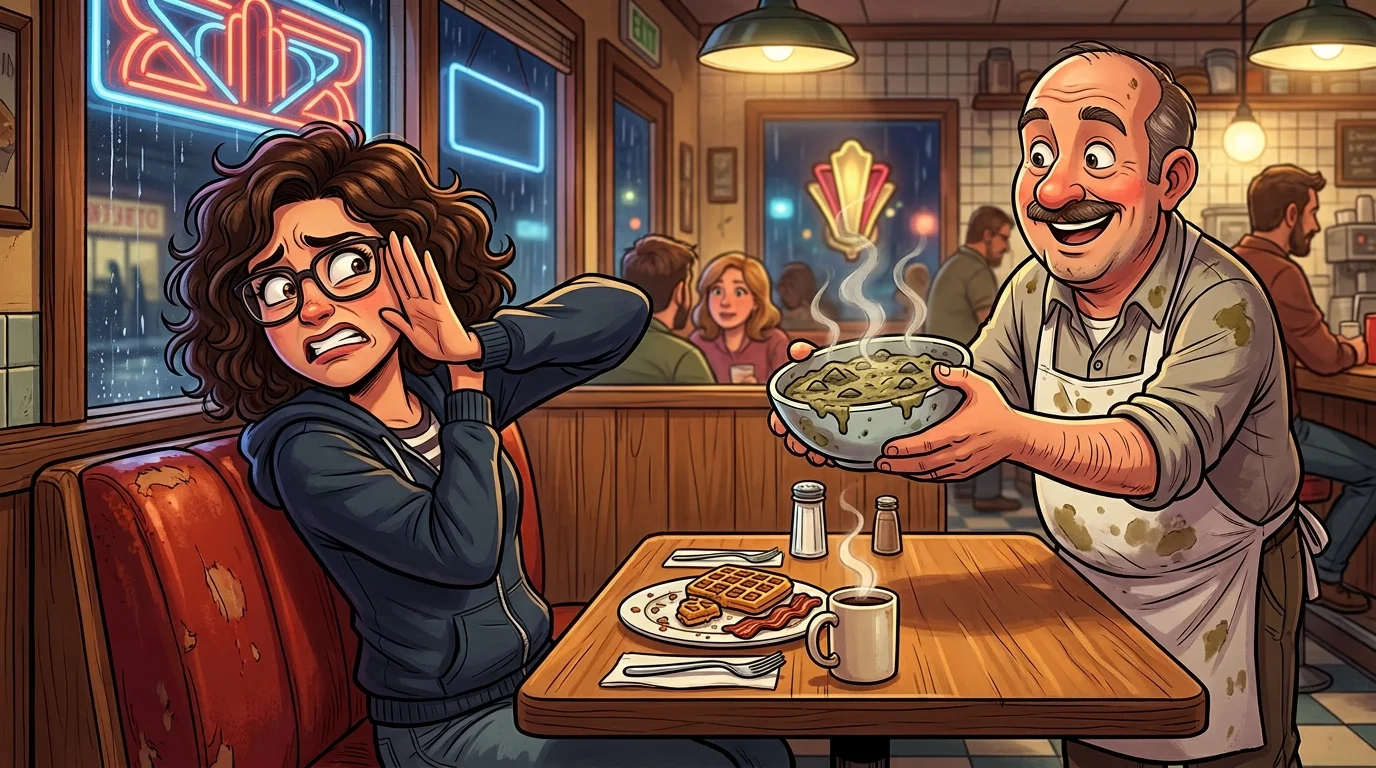
Nope Meaning
“Nope” means “no” or “not at all.” It is an informal and casual way to refuse something, disagree with a statement, or give a negative answer. The word is especially common in everyday conversation, texting, online chats, and social media. Compared with the simple word “no,” “nope” often sounds more relaxed, conversational, or playful.
What Does Nope Mean in English?
In English, nope is an informal form of “no.” It can be used when someone wants to answer a question negatively without sounding overly formal.
For example:
- “Are you coming with us?” — “Nope.”
- “Did you finish your homework?” — “Nope, not yet.”
- “Do you want some coffee?” — “Nope, I’m good.”
The exact tone depends on the situation. A short “nope” can sound neutral, friendly, humorous, firm, or slightly dismissive depending on the conversation, punctuation, and surrounding words.
Nope Meaning in Chatting and Texting
In texting and online chatting, “nope” is commonly used as a quick way to say no. Because texting is informal, people often use “nope” instead of “no” when replying to friends, family members, coworkers in casual conversations, or people on social media.
For example:
Person 1: “Are you still awake?”
Person 2: “Nope 😂”
Here, “nope” simply means “No, I’m not.”
It can also be used to reject an idea:
“Want to go out tonight?”
“Nope, I’m staying home.”
In memes and social media posts, “nope” can also express a strong reaction such as “absolutely not,” “I don’t want that,” or “I’m not doing that.”
Nope Meaning in Urdu
The Urdu meaning of “nope” is usually:
- نہیں
- بالکل نہیں
- نہیں، ایسا نہیں
- ہرگز نہیں — when used more strongly
The best Urdu translation depends on the context. In casual conversation, “nope” is usually closest to “نہیں” or “نہیں، بالکل نہیں.”
For example:
“Are you hungry?” — “Nope.”
“کیا تمہیں بھوک لگی ہے؟ — نہیں۔”
Nope Meaning From a Girl
If a girl says “nope,” it generally means “no” or “not really.” The word itself does not have a special romantic or hidden meaning simply because it is used by a girl.
For example:
You: “Do you want to go out tonight?”
Her: “Nope.”
This normally means she does not want to go. However, the tone and context can matter. A playful conversation might make “nope” sound lighthearted, while a direct or repeated “nope” may indicate a firm refusal.
Therefore, “nope” should be interpreted from the surrounding conversation rather than assuming it has a particular meaning based on the person’s gender.

Nope Meaning From a Guy
When a guy says “nope,” it usually has the same basic meaning: “no,” “not at all,” or “I don’t.”
For example:
“Did you talk to Sarah?”
“Nope.”
This simply means “No, I didn’t.”
If someone uses “NOPE” in capital letters, however, it may emphasize the refusal or reaction:
“Are you going skydiving?”
“NOPE.”
Here, the capitalization can make the response sound stronger or more humorous.
What Does “Ok Nope” Mean?
“OK nope” is an informal expression that usually means “Actually, no,” “definitely not,” or “I changed my mind.”
It is often used humorously when someone suddenly rejects an idea after considering it.
For example:
“Maybe I should text my ex.”
“OK nope. Bad idea.”
In this context, “OK nope” emphasizes a decision to reject the idea.
Common Examples of Nope
Here are some natural examples of how “nope” is used:
- “Are you ready?” — “Nope.”
- “Did you watch the movie?” — “Nope, not yet.”
- “Do you need any help?” — “Nope, I’m fine.”
- “Are you going to the party?” — “Nope, I have other plans.”
- “Would you do that again?” — “Nope!”
- “Is this your phone?” — “Nope, mine is over there.”
- “Do you like spicy food?” — “Nope, not really.”
Nope vs. No
Although “nope” and “no” generally have the same basic meaning, their tone can be different.
| Word | Meaning | Typical Tone |
|---|---|---|
| No | Negative answer or refusal | Neutral, direct, formal or informal |
| Nope | Informal “no” | Casual, conversational, sometimes playful |
| Absolutely not | Strong refusal | Very firm |
| Nah | Informal “no” | Very casual, relaxed |
For example, “No” can sound straightforward, while “Nope” may sound friendlier or more conversational. “Nah” can be even more relaxed and may sometimes suggest indifference.
Is Nope Rude?
“Nope” is not inherently rude. It is an informal word, and its tone depends heavily on context.
A friendly response such as “Nope, I’m good, thanks!” is generally polite and casual. On the other hand, replying with only “NOPE.” to a serious request could sound blunt or dismissive.
If you are speaking in a formal setting, such as a professional email, academic writing, or an official conversation, “no” or a complete sentence is usually more appropriate.
Is Nope a Slang Word?
“Nope” is an informal colloquial expression rather than highly specialized slang. It has been used in English as a casual alternative to “no” for a long time and remains common in modern speech, texting, internet conversations, and social media.
Its popularity in digital communication comes partly from its brevity: a person can communicate a complete negative response with just one word.
Quick Answer: What Does Nope Mean?
Nope means “no” or “not at all.” It is an informal and conversational way to give a negative answer, reject an idea, or disagree with something. In Urdu, nope generally means “نہیں” or “بالکل نہیں.” It is commonly used in everyday speech, texting, chatting, social media, and casual conversations.

What Does Nope Mean?
Quick Definition
Nope means “no” and is used as an informal negative response.
Literal Meaning
The word functions as a casual substitute for “no.”
Common Meaning
People use nope to:
- Reject an idea
- Decline an invitation
- Answer a question negatively
- Express disagreement
- React to something they don’t want
Examples:
- “Nope, I haven’t seen it.”
- “Nope, not interested.”
- “Nope, that’s not correct.”
What Tone Does It Convey?
Depending on context, nope can sound:
- Casual
- Friendly
- Humorous
- Playful
- Dismissive
- Firm
What Does Nope Meaning on Different Platforms?
Text Messages
In texting, nope simply means no.
Example:
Person A: Are you coming tonight?
Person B: Nope.
Snapchat
On Snapchat, people often use nope for quick responses.
Example:
“Nope 😂”
This can make the response feel lighter or funnier.
On Instagram, nope often appears in comments and captions.
Example:
“Nope, I’m not doing that challenge.”
TikTok
TikTok users frequently use nope in reaction videos and memes.
Example:
“Nope. Not today.”
Discord
Gamers and online communities commonly use nope as a quick refusal.
Example:
“Nope, that strategy won’t work.”
Reddit users often use nope when disagreeing with opinions or correcting misinformation.
Example:
“Nope, that’s not how it happened.”
Dating Apps
On dating apps, nope may politely or directly express disinterest.
Example:
“Nope, we’re probably not a good match.”
Origin and History of Nope
The word nope originated as an informal variation of no.
Linguists trace its usage back to the 19th century, when English speakers began adding a playful ending sound to simple responses.
Over time, nope became widely accepted in casual speech because it sounded:
- Less formal
- More conversational
- Slightly friendlier than a blunt “no”
Today, nope is common in:
- Text messages
- Social media
- Movies
- TV shows
- Everyday conversations
Although informal, it is widely understood by English speakers around the world.
How People Actually Use Nope
Most people use nope when they want to give a quick and casual negative response.
You’ll often see it used in:
- Text conversations
- Group chats
- Social media comments
- Online gaming
- Memes
When to Use It
Use nope when:
- Talking casually with friends
- Sending quick text responses
- Reacting to funny situations
- Informal online communication
Examples:
- “Nope, haven’t seen it.”
- “Nope, not happening.”
- “Nope, I’m staying home.”
When Not to Use It
Avoid nope in:
- Formal emails
- Business communication
- Academic writing
- Professional reports
In those situations, “no” is usually more appropriate.
Common Observation
Many people use nope because it feels softer and more conversational than simply saying no.
Real Examples of Nope in Conversations
Example 1
Person A: Did you finish the assignment?
Person B: Nope.
Meaning: No.
Why it was used: Quick casual response.
Example 2
Person A: Are you hungry?
Person B: Nope, I just ate.
Meaning: Not hungry.
Why it was used: Informal conversation.
Example 3
Person A: Want to go skydiving?
Person B: Nope!
Meaning: Definitely not.
Why it was used: Strong refusal.
Example 4
Person A: Did you watch the game?
Person B: Nope, I missed it.
Meaning: Did not watch it.
Why it was used: Casual reply.
Example 5
Person A: Is that your phone?
Person B: Nope.
Meaning: It isn’t.
Why it was used: Simple negative answer.
Example 6
Person A: Are you joining the call?
Person B: Nope, I’m busy.
Meaning: Not joining.
Why it was used: Quick explanation.
Example 7
Person A: Did you break the vase?
Person B: Nope!
Meaning: I didn’t.
Why it was used: Denial.
Example 8
Person A: Are you scared of spiders?
Person B: Nope.
Meaning: Not scared.
Why it was used: Casual response.
Example 9
Person A: Should we try that challenge?
Person B: Nope, looks dangerous.
Meaning: Refusal.
Why it was used: To reject an idea.
Example 10
Person A: Is this the correct answer?
Person B: Nope.
Meaning: Incorrect.
Why it was used: To provide correction.
Common Mistakes and Misunderstandings
Mistake 1: Thinking Nope Is Rude
Nope is usually not rude.
The tone depends on context and delivery.
Mistake 2: Using Nope in Formal Writing
Nope is informal and generally unsuitable for professional documents.
Mistake 3: Assuming It Always Means Anger
People often use nope playfully or humorously.
Mistake 4: Overusing One-Word Responses
Repeatedly answering with only “nope” can sometimes seem dismissive.
Similar Slang Terms and Related Expressions
| Expression | Meaning | Difference |
|---|---|---|
| Nope | Informal no | Most common casual form |
| No | Standard negative response | Neutral |
| Nah | Casual no | More relaxed |
| Nuh-uh | Strong disagreement | Often playful |
| Not really | Partial disagreement | Softer |
| Negative | Formal no | Less common |
| Absolutely not | Strong refusal | More emphatic |
| No way | Strong rejection | Emotional |
| Not a chance | Impossible or unlikely | Stronger |
| Pass | Choosing not to participate | Context-specific |
Is Nope Positive, Negative, or Neutral?
Positive Meaning
Can sound playful or friendly among friends.
Example:
“Nope 😂”
Neutral Meaning
Most uses are neutral.
Example:
“Nope, I haven’t seen it.”
Negative Meaning
Can sound dismissive if used abruptly.
Example:
“Nope.”
without additional context may feel blunt.
Should You Use Nope?
Use It If
- You’re texting friends
- You’re chatting online
- You’re using social media
- The conversation is informal
Examples
- “Nope, I’m good.”
- “Nope, not today.”
Avoid It If
- Writing business emails
- Communicating professionally
- Preparing academic work
- Speaking in highly formal situations
Use “no” instead when professionalism matters.
Related posts:
 Praying Mantis Spiritual Meaning: Symbolism, Signs & Interpretations (2026)
 Best Bifurcated Meaning: Definition, Uses, Examples & Origin (2026)
 Powerful Tanzanite Meaning Symbolism, Spiritual Significance, Benefits & Uses (2026)
 Anti Aliasing Meaning Complete Guide to Definition, Types & Examples (2026)