
Scalping Meaning and Quick Definition
Quick Definition
Scalping (noun/verb): The act of buying something and reselling it quickly for a profit, or a trading strategy involving frequent short-term trades. Historically, it also refers to the removal of a person’s scalp.
Simple meaning:
Scalping = Buying and reselling quickly for profit, or making many small profits through rapid trading.
Scalping Meaning in Different Contexts
Scalping Meaning in Ticket Sales
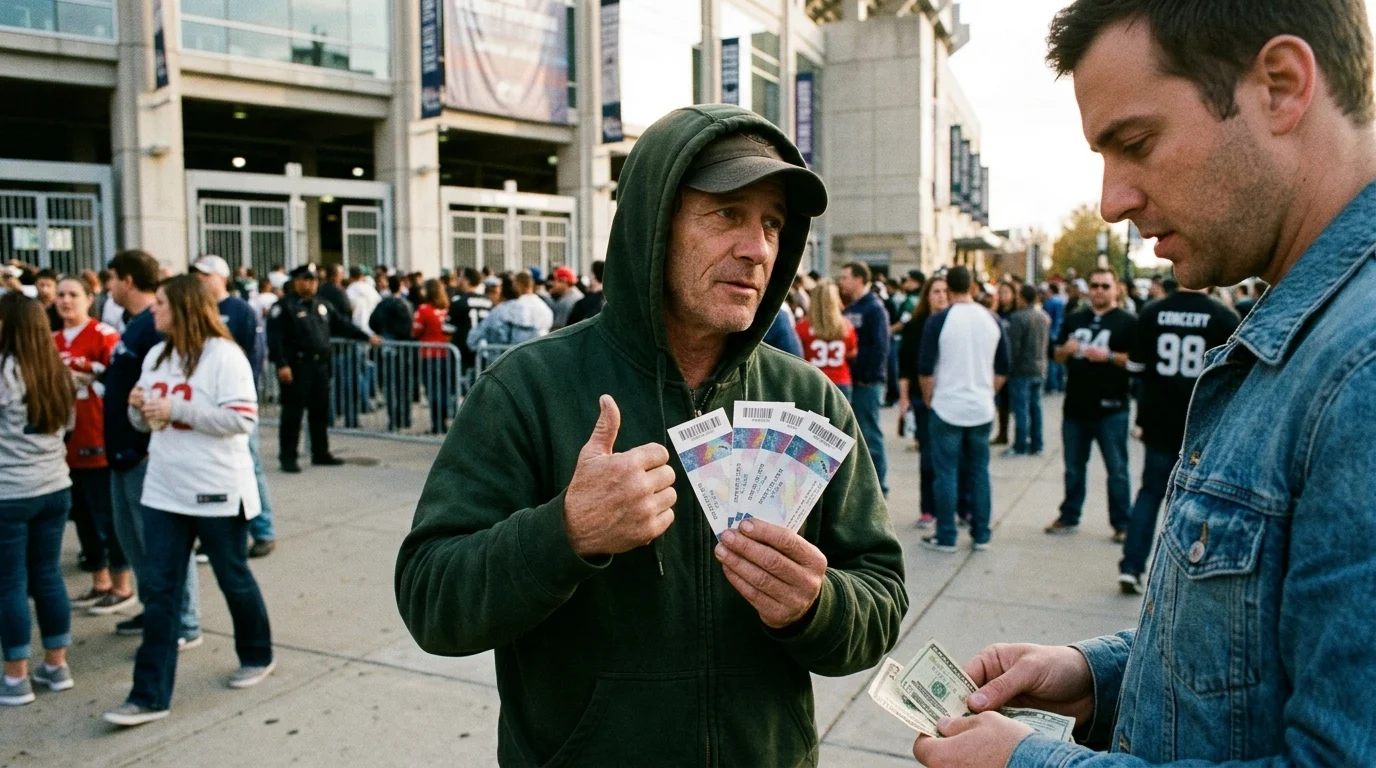
Ticket scalping happens when someone buys tickets for concerts, sporting events, or shows and then resells them at a much higher price because demand exceeds supply.
Example:
A person buys a concert ticket for $100 and later sells it for $300.
Many countries and event organizers regulate or restrict ticket scalping.
Scalping Meaning in Stock Trading
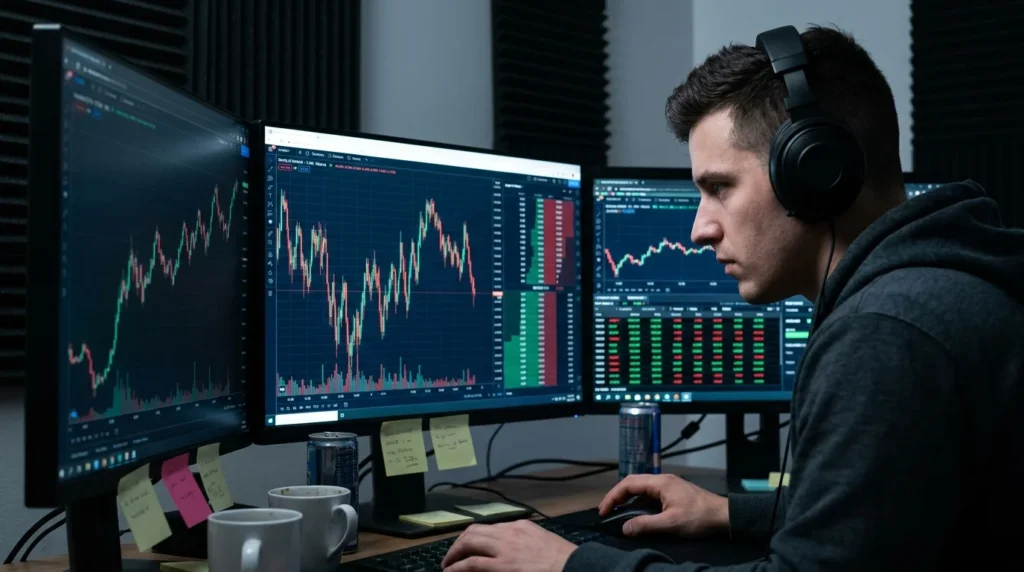
In financial markets, scalping is a short-term trading strategy where traders aim to profit from very small price changes.
Characteristics include:
- Opening and closing trades within minutes or seconds
- Making many trades in a single day
- Focusing on small, consistent gains
- Using technical analysis and fast execution
Unlike ticket scalping, trading scalping is a recognized investment strategy, though it carries significant risk.
Scalping Meaning in Retail
Retail scalping occurs when people purchase limited-edition products, such as:
- Sneakers
- Gaming consoles
- Trading cards
- Collectibles
- Electronics
They then resell these items at higher prices because demand is high.
Historical Meaning of Scalping
Historically, scalping referred to removing the scalp from a person’s head. This meaning appears in historical accounts and discussions of warfare but is not how the word is commonly used in everyday conversations today.
Origin and History of Scalping
The word scalp originally referred to the skin covering the top of the head.
Over time, scalping developed additional meanings, especially in commerce and finance, where it came to describe making quick profits through rapid buying and selling.
Today, the commercial and financial meanings are the most common in modern English.
How People Actually Use “Scalping”
Most people use scalping in conversations about:
- Concert tickets
- Sports events
- Sneaker releases
- Stock trading
- Cryptocurrency trading
- Limited-edition products
The intended meaning is usually clear from the context.
Real Examples of Scalping in Conversations
Example 1: Concert Tickets
Person A: Why are the tickets so expensive now?
Person B: Scalpers bought most of them and resold them.
Meaning:
People purchased tickets only to sell them for higher prices.
Example 2: Stock Trading
Person A: What’s your trading style?
Person B: I mostly do scalping.
Meaning:
The trader makes many quick trades for small profits.
Example 3: Gaming Console
Person A: I can’t find the new console anywhere.
Person B: Scalpers bought the available stock.
Meaning:
Resellers purchased the products to sell them at higher prices.
Example 4: Sneakers
Person A: Those shoes sold out instantly.
Person B: Scalping bots grabbed most of them.
Meaning:
Automated software helped resellers buy large quantities.
Example 5: Crypto Trading
Person A: How long do you hold your trades?
Person B: Usually just a few minutes because I scalp.
Meaning:
The trader uses a short-term trading strategy.
Common Mistakes and Misunderstandings About Scalping Meaning
Ticket Scalping and Trading Scalping Are Different
Although both involve buying and selling, ticket scalping refers to reselling goods, while trading scalping refers to a financial strategy.
Scalping Isn’t Always Illegal
Whether scalping is legal depends on the activity and local laws.
- Ticket scalping may be restricted or prohibited in some places.
- Retail reselling laws vary by jurisdiction.
- Financial scalping is generally legal when conducted in accordance with market rules and regulations.
Scalping Doesn’t Always Involve Huge Profits
In trading, scalpers often aim for many small gains rather than one large profit.
Similar Words and Related Terms
| Term | Meaning | Difference |
|---|---|---|
| Reselling | Buying and selling items again | Broader term |
| Flipping | Buying low and selling higher | Often used for products or real estate |
| Arbitrage | Profiting from price differences between markets | Based on market price gaps |
| Day Trading | Buying and selling within one day | Includes many trading strategies |
| Swing Trading | Holding trades for several days or weeks | Longer-term than scalping |
| Ticket Resale | Selling event tickets | Neutral term that may include authorized resale |
| Speculation | Buying with the expectation of profit | Broader investment concept |
| Brokerage | Buying and selling on behalf of others | Different business model |
Is Scalping Positive, Negative, or Neutral?
The tone of scalping depends on the context.
Often Negative
- Ticket scalping
- Product scalping
These practices are often criticized because they make products more expensive for consumers.
Usually Neutral
- Stock trading
- Forex trading
- Cryptocurrency trading
In finance, scalping is simply one of many recognized trading strategies.
Should You Use the Word Scalping?
Use It When:
✅ Talking about ticket resale
✅ Discussing short-term trading strategies
✅ Referring to limited-edition product resales
✅ Discussing historical contexts accurately
Be Careful Because:
- The word has multiple meanings.
- Some readers may initially think of its historical meaning.
- Adding context helps avoid confusion.
Related posts:
 Best Harakiri Meaning Definition, History, Cultural Significance & Modern Usage (2026)
 Apocryphal Meaning: Definition, Origin, Examples & How to Use It (2026)
 Best Variable Meaning in Math: Definition, Types, Examples & How They Work (2026)
 Best Nine Line Meaning: Definition, Origin, Uses, Examples & What It Represents (2026)